Ask an Architect is our ongoing series where we tackle the questions we hear most often from homeowners, clients, and curious readers. This month, we’re asking the big questions — the ones that often come up before a project even begins. We’re starting with the most fundamental one of all.
Every new client relationship begins a little differently, but there’s one question that almost always surfaces, sometimes out loud and sometimes just underneath the surface of our early conversations: Do I actually need an architect?
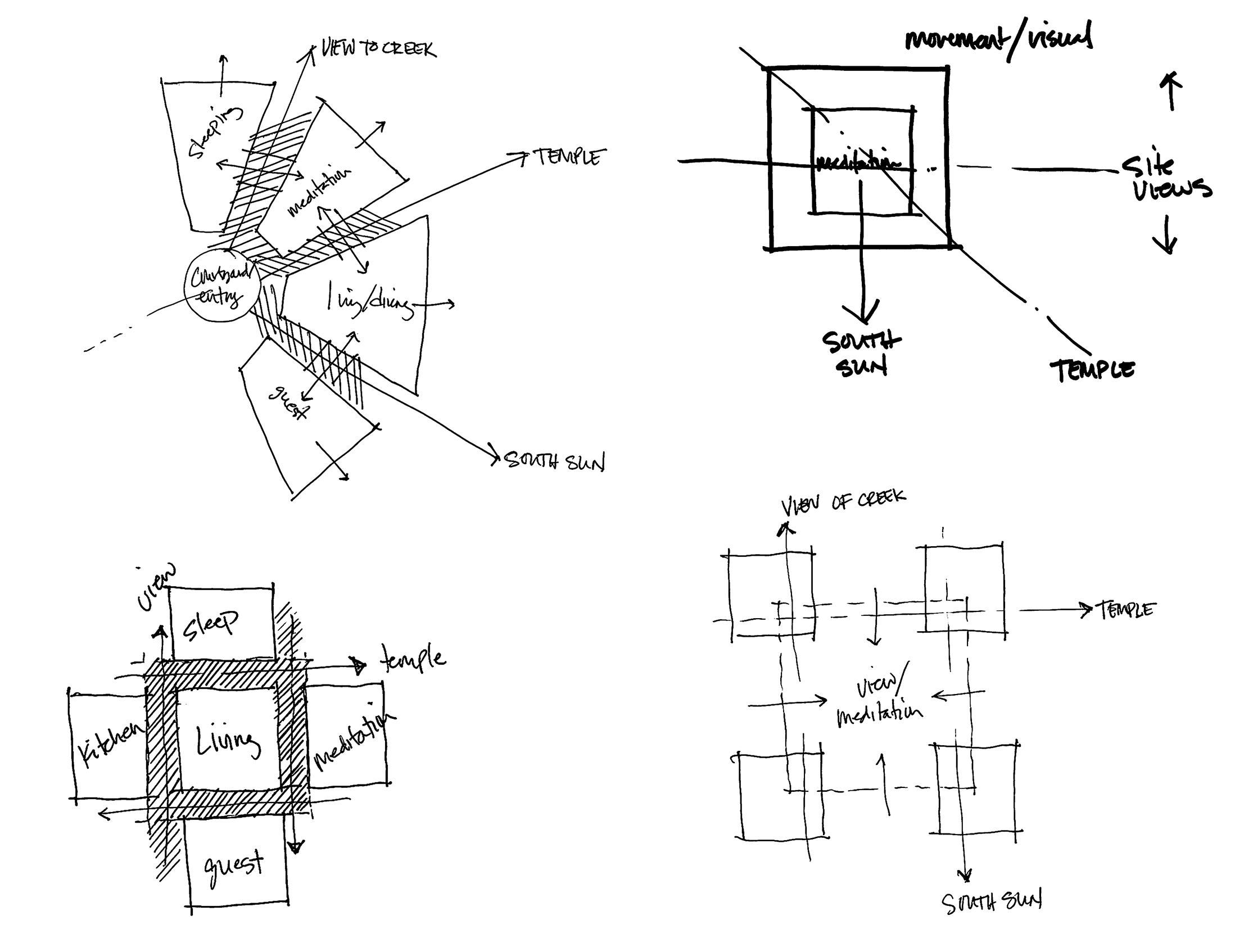
It’s a fair question. There are contractors who design-build, there are online platforms offering stock plans, and there are talented interior designers who can take a space a long way. So what does working with an architect actually get you that you couldn’t figure out on your own?
We might be biased, but we’ve also thought about this a lot, just in the form of different questions. How can we offer services that provide value to our clients? How can we make the process of building or renovating a home more fun and less stressful? What do we bring to the table that non-architects can’t offer?
You Might Get There on Your Own — But It’ll Cost You More to Get Less
The truth is, you probably can build a home without an architect. People do it. However, what we find, again and again, is that the homes that skip the architectural design process end up making inefficient use of what space they have — and sometimes they spend more money to get there.
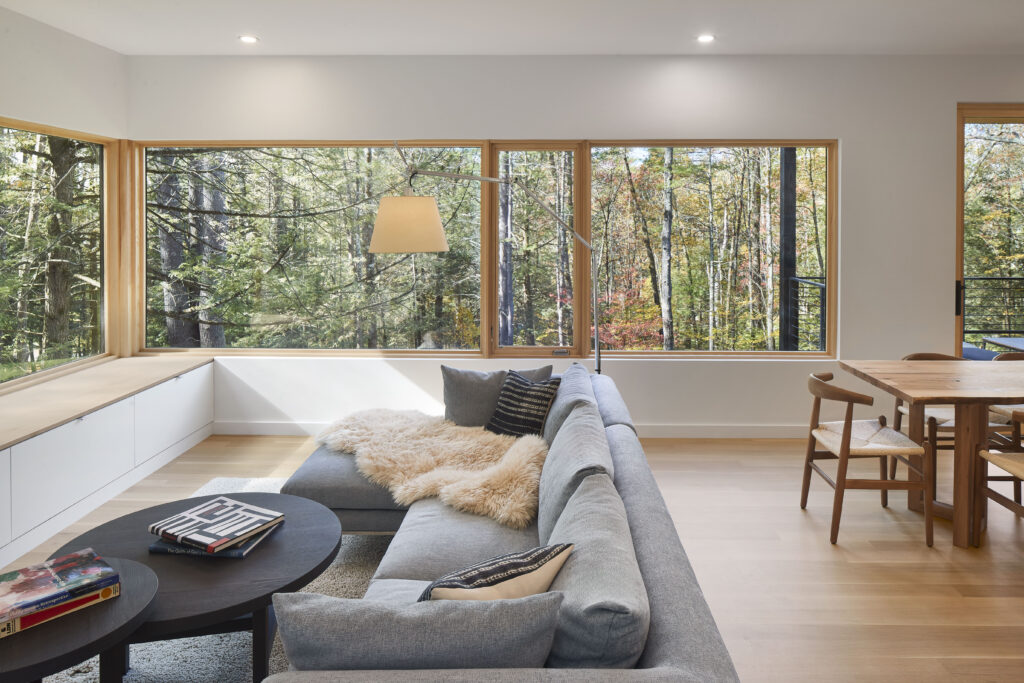
Working with an architect isn’t just about aesthetics. It’s about thinking rigorously about how space works: how rooms relate to each other, how the house flows with the way you actually live, and, crucially, how to do more with less square footage. It’s about finding the more efficient path, the more thoughtful solution — the one that doesn’t just look good on paper but feels generous and comfortable to live in.
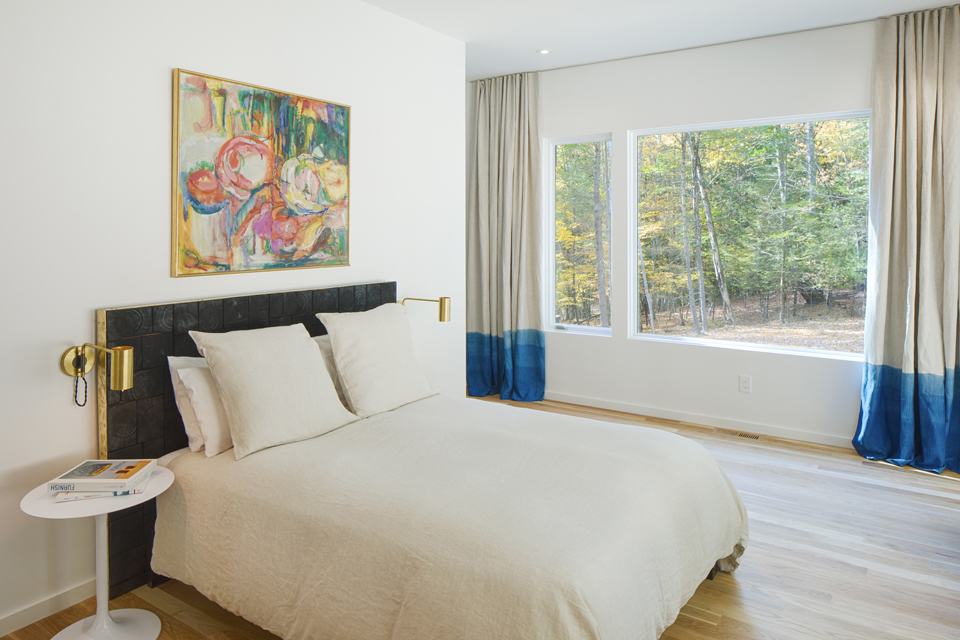
A room that’s ten feet deep can feel cramped or it can feel expansive — and the difference often has nothing to do with size. It has to do with how the windows are placed, how natural light moves through the space at different times of day, and how the proportions interact with the furniture. Our project Tinkerbox is a great example of this: one of the bedrooms is only ten feet deep, which on paper sounds tight. But because of deliberate decisions about window placement and sizing, it reads as spacious and full of light. Those decisions didn’t cost a lot of money. They just required careful thought about what the space needed to do and feel like.
Custom Doesn’t Mean Expensive
One of the biggest misconceptions we run into is the idea that working with an architect means the project will be expensive. We understand where that comes from, but we’d push back on the framing.
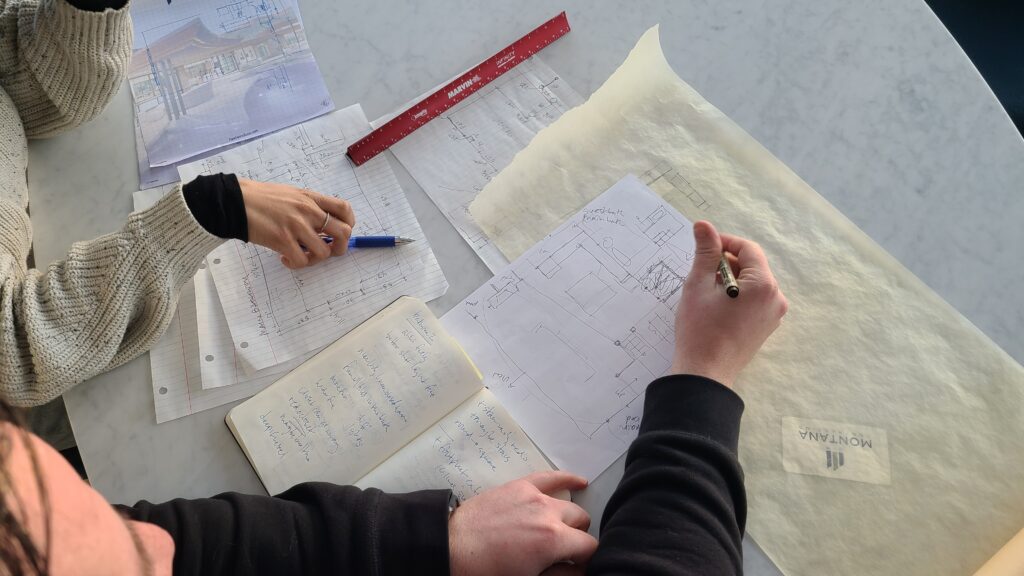
Custom doesn’t mean expensive. Custom means you’re getting what you want — shaped and refined to the budget you actually have. Every single client we work with has a budget, and budget is one of the most important tools we have to design well. Constraints drive creativity. When we know what we’re working with, we can make smart decisions: where to spend, where to save, and how to get the most out of every dollar. Some of our most beloved projects are those with tight budgets – Art Fort is a fantastic example. Each square foot of the project was analyzed early on, and design decisions and details were developed with both architectural impact and budget in mind. The spaces are kept tight, but functional, and we challenged our own assumptions about space. What would typically be a closet became a fun and funky bathroom – one of our favorites that we’ve every designed.
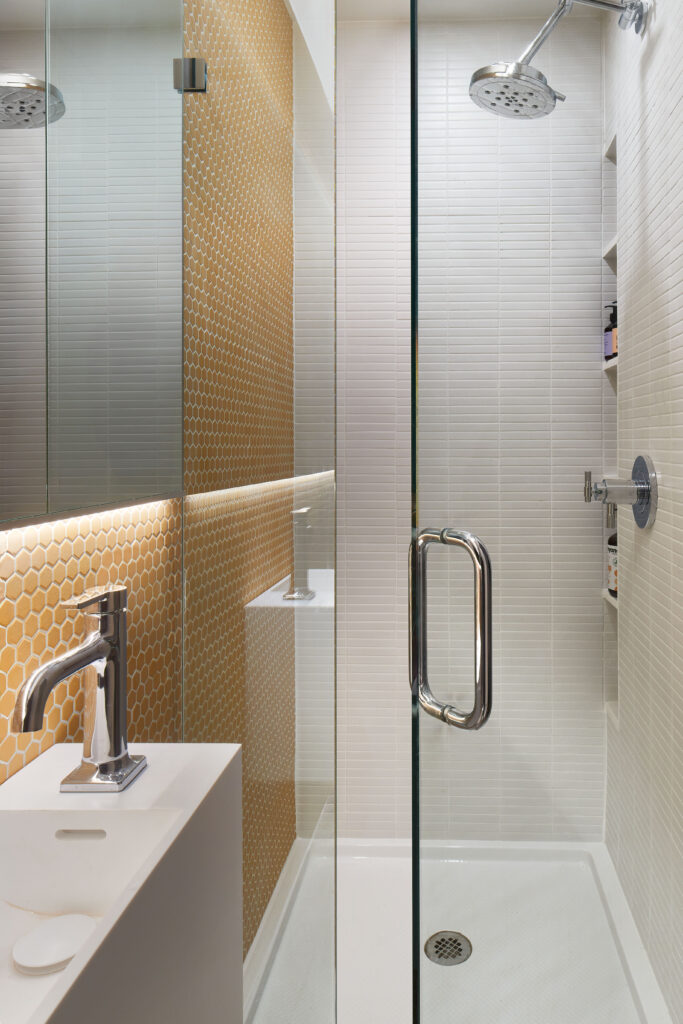
The alternative — building something generic, or making ad hoc decisions without a cohesive design strategy — often ends up costing more in the long run. Decisions get made twice. Things get built and then changed. Finishes that seemed fine at purchase look wrong once installed. The five-year renovation mindset ends up being more expensive than the longevity mindset.
Your Routines Deserve Thoughtful Design
Here’s something we ask every new client: Walk us through a weekday. When do you typically wake up? Where do you sit and have your morning coffee? Is there a spot for the kids drop their stuff when they come in from school? Where do you want to sit at the end of the day and where do you have dinner?
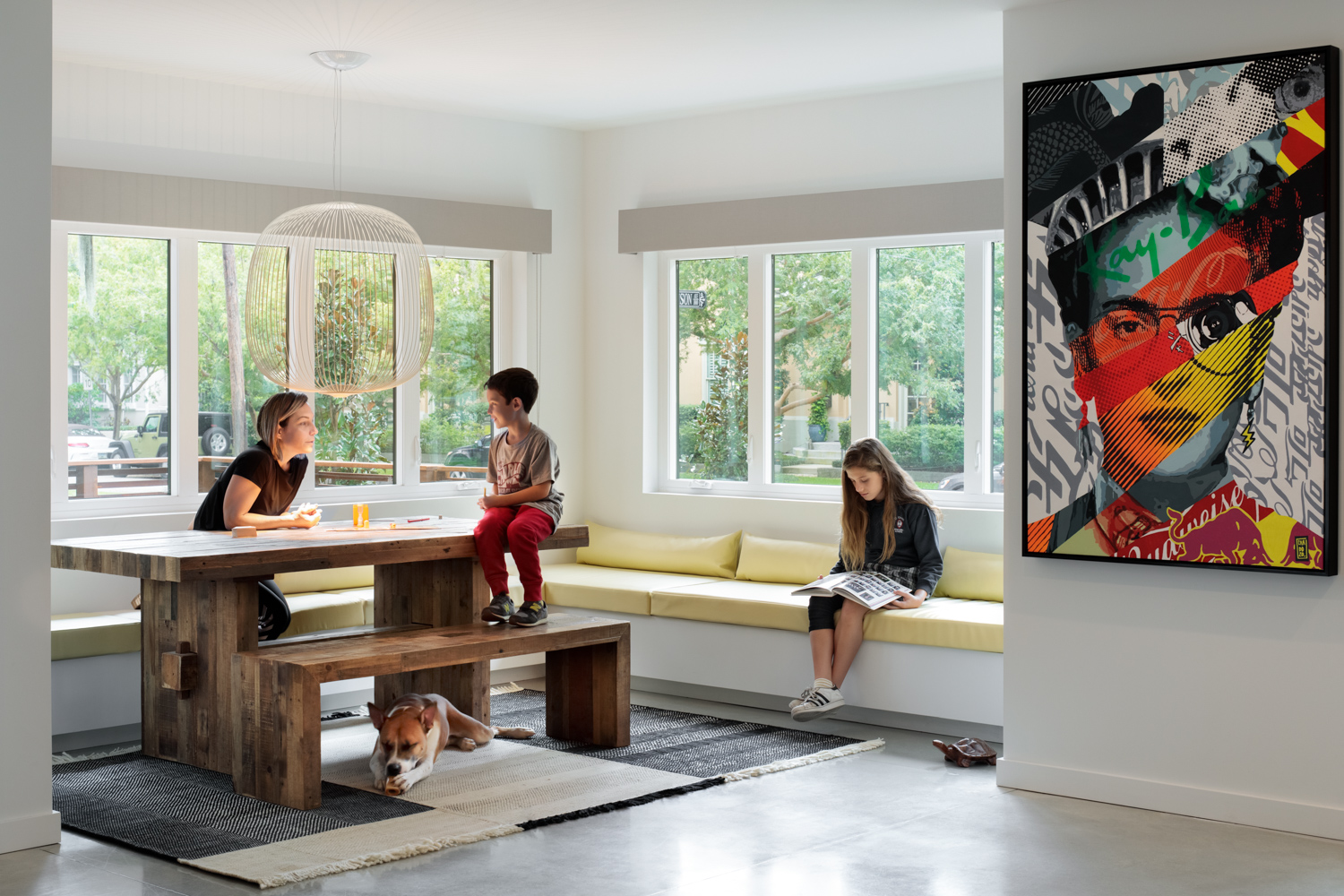
It sounds simple, but it’s actually the foundation of a well-designed home. When a house is designed around how people actually live — their rhythms, their routines, the way sunlight moves through their day — it stops being just a building and starts being a home that actively supports the way you want to live. That alignment between daily life and spatial flow is one of the things that’s hardest to achieve without someone who is trained to think about it.
Other Questions We’re Asked — A Preview
As we’ve been working with new clients lately, we’ve noticed that the “why an architect” question is often the first domino. Once it falls, a whole series of other questions follows. We’ll be exploring each of these in upcoming posts:
- How do I communicate my vision if I don’t know the technical terms?
- What decisions do you make and what do I get to decide?
- How often will we meet during the design process?
- What happens if I don’t like something you’ve designed?
- What should I bring to our first meeting?
If any of these resonate with you, or if you have other questions you’d like answered, we’d love to hear from you!