Ask an Architect is our ongoing series where we tackle the questions we hear most often from homeowners, clients, and curious readers. This month, we’re getting into one of the most important — and most anxiety-producing — parts of the design process: schematic design, and the honest conversations about budget and scope that make it work.
Of all the phases in an architectural project, Schematic Design is the one that generates the most excitement. It’s the phase where ideas move from a list of hopes and a folder of saved images into something that starts to look like a real home. We love it. Our clients love it. It is, above all else, a lot of fun!
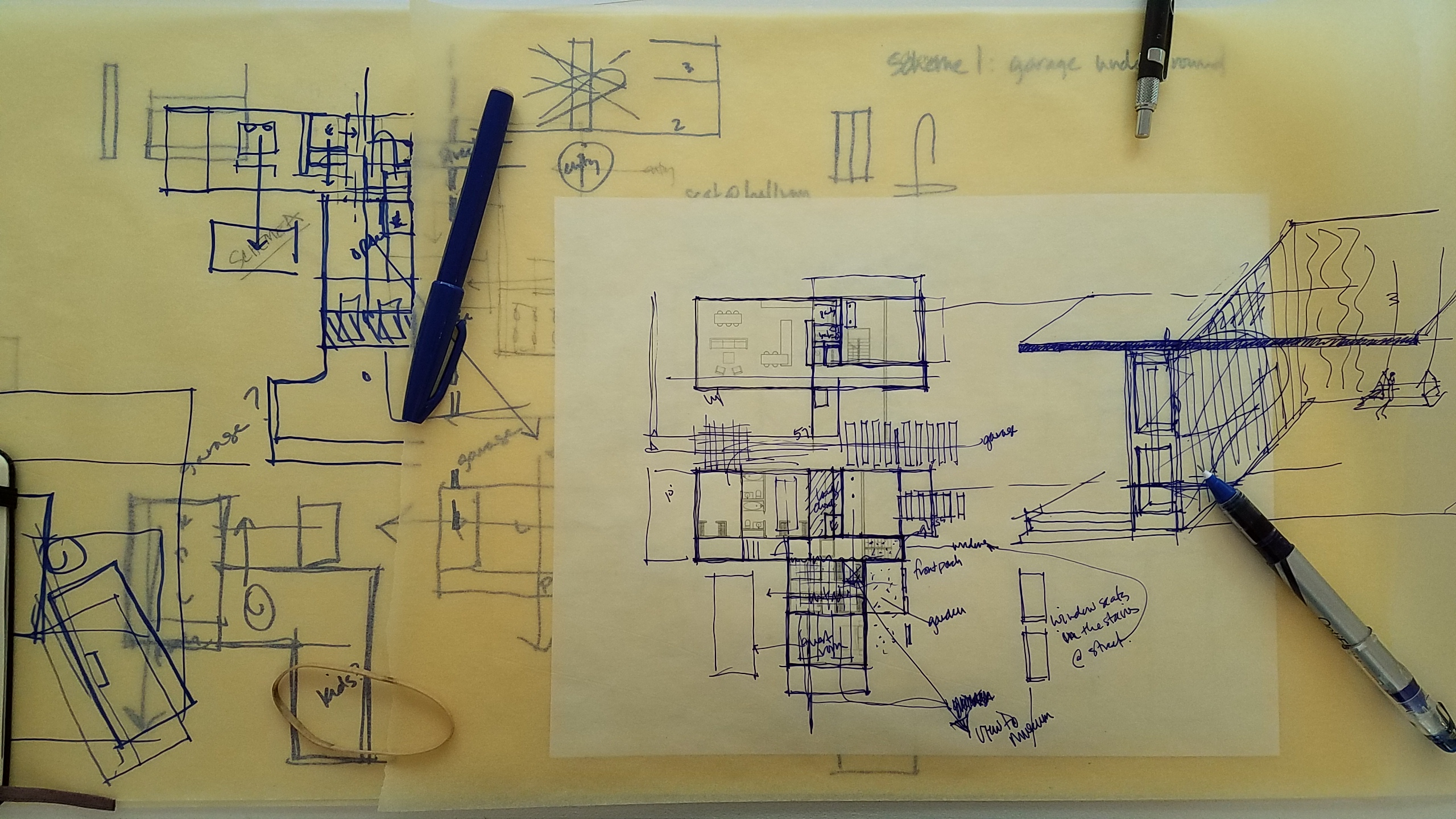
It’s also the phase where some of the most important — and sometimes most difficult — conversations happen. It’s where we have to put your wishlist in a room with your budget, and figure out how they can get along.
The First Question We’re Really Asking
Before a single line gets drawn, we need to understand where you want to be. What does your ideal home feel like? How do you want to use it? What’s been missing from where you live now? We gather information that is a combination of the aspirational and the practical and we take both seriously.
That process almost always leads to a conversation about budget. Over the years, we’ve learned that the earlier we have the budget conversation, the better — for everyone.
We’ve had clients come to us knowing exactly what they want to spend. There are also clients who say, openly and with great humor, “I have no idea how you’re going to make this work, but that’s why we hired you.” We’ve also had clients who had one number in their head and, after understanding what was actually possible, chose to raise it. And we’ve had clients — probably the majority — who have a tight budget, can’t move on it, and need us to work honestly within it.
Every one of those situations is workable.
We Take Your Budget Seriously — Because It’s a Design Tool
One of the things we said in our last post is worth repeating here: budget isn’t a limitation to work around. It’s one of the most important tools we have to design well. Constraints drive creativity. But they also require trust and open communication.
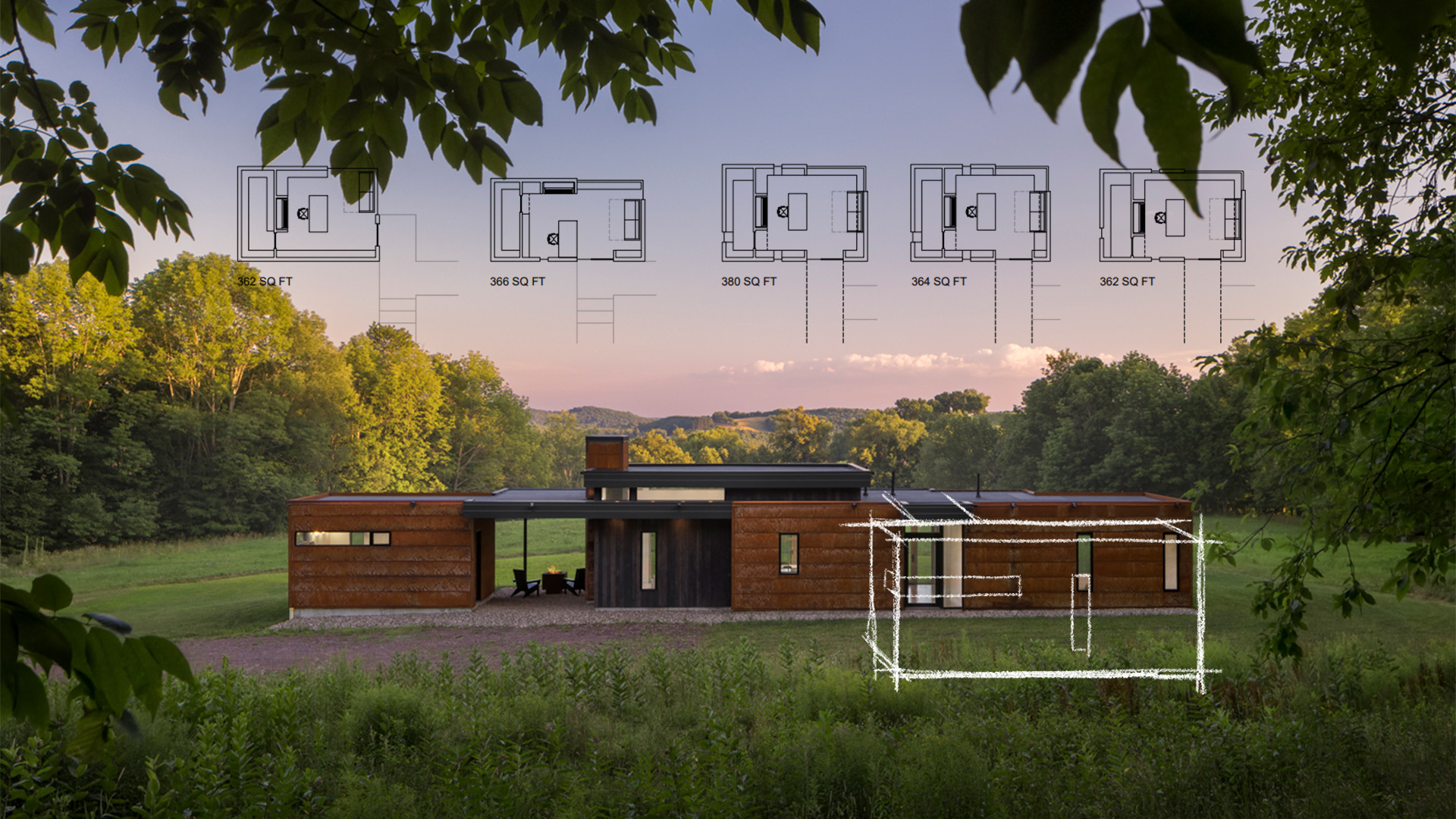
If you come to us with a budget that doesn’t align with what you want to build, we’re going to tell you that. Ideally upfront, before we’ve even signed a contract to work together. It keeps us all from investing time in a design that won’t work, and prevents you from falling in love with something that can’t be built for what you have. We recently had these conversations on one of our new projects, Stony Clove. Our initial conversation with the clients made clear that the budget and the original scope weren’t going to meet. We had that conversation early, reduced the scope together, and moved forward with a plan that we both know is achievable. It wasn’t the easiest conversation, but it was the right one to have at that time. We’re now in the midst of Schematic Design and have been excited to design a highly functional and design-forward space for our clients, while advising them on ways to stay within their budget as we keep developing the project.
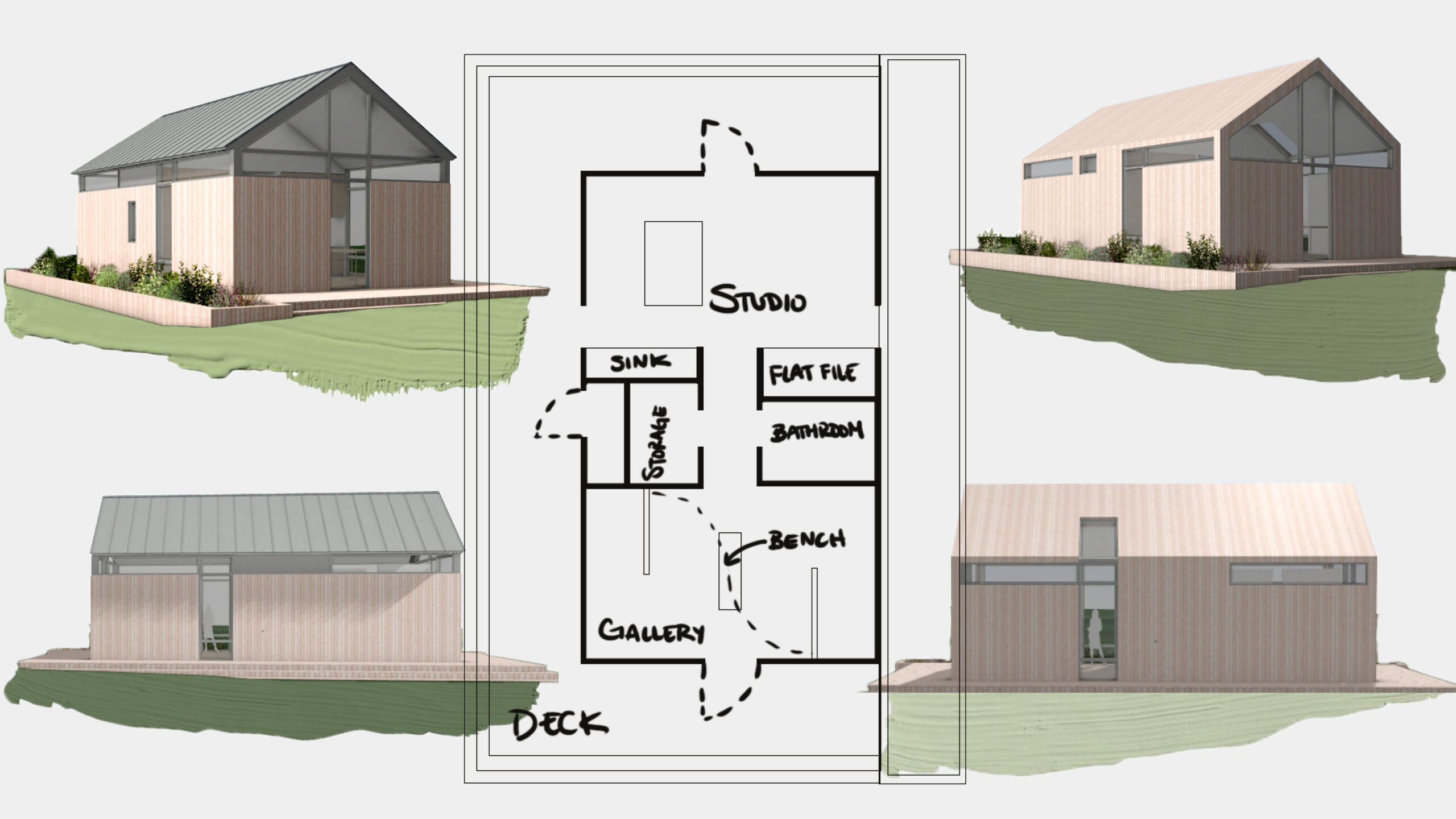
What we’re working toward, in every project, is a moment where we can all say yes together: yes, your wishlist and your budget are aligned, yes we know what we’re building and what it will cost, and yes, we can move forward. That clarity is what makes everything that comes next actually enjoyable.
Dropping Scope, Raising Budget, and Everything In Between
When the wishlist and the budget don’t immediately line up, there are a few different paths forward.
One is to reduce scope. This can mean designing for a smaller square footage, utilizing a phased approach, or simplifying certain elements. This is often the right answer, and it’s one we can help you navigate. Smaller doesn’t have to mean less. Some of our most thoughtful work has come from asking, what is this project really about, and what can we let go of without losing that?
Another path is to revisit the budget. Sometimes clients don’t realize what’s possible, or what things actually cost, until we’re in conversation together. If raising the budget is an option, we’ll tell you what it buys you. We’ll also tell you when we don’t think a bigger budget is the answer.
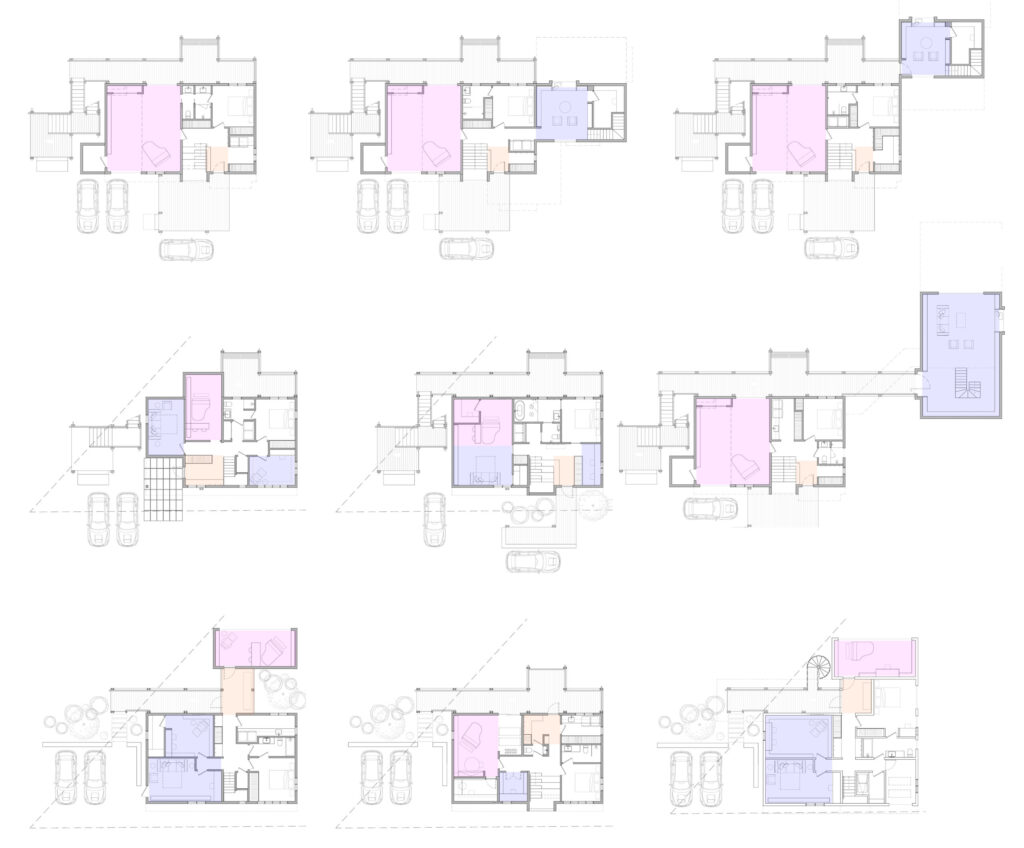
And sometimes, the budget is fixed and the scope is fixed and we just have to get creative — looking hard at priorities, making smart decisions about where to spend and where to pull back, and building something that works within real constraints. We do this often and we’re good at it. We’ll also be honest when we don’t think there is way to find a middle ground between scope and budget. While it may mean that we aren’t able to work on the project, we’d prefer that potential clients have a realistic sense of what they are walking into.
What Happens After the Hard Conversation
Once we’ve had the honest conversations about budget and scope and we’re all aligned on what we’re working toward, the design work can actually begin — and this is where we feel the most value of what we do as architects comes through. The goal isn’t to hand you a single design and ask you to react to it. It’s to explore multiple ways of meeting your wishlist, some that might look exactly like what you had in mind, and some that might be ideas you hadn’t considered at all.
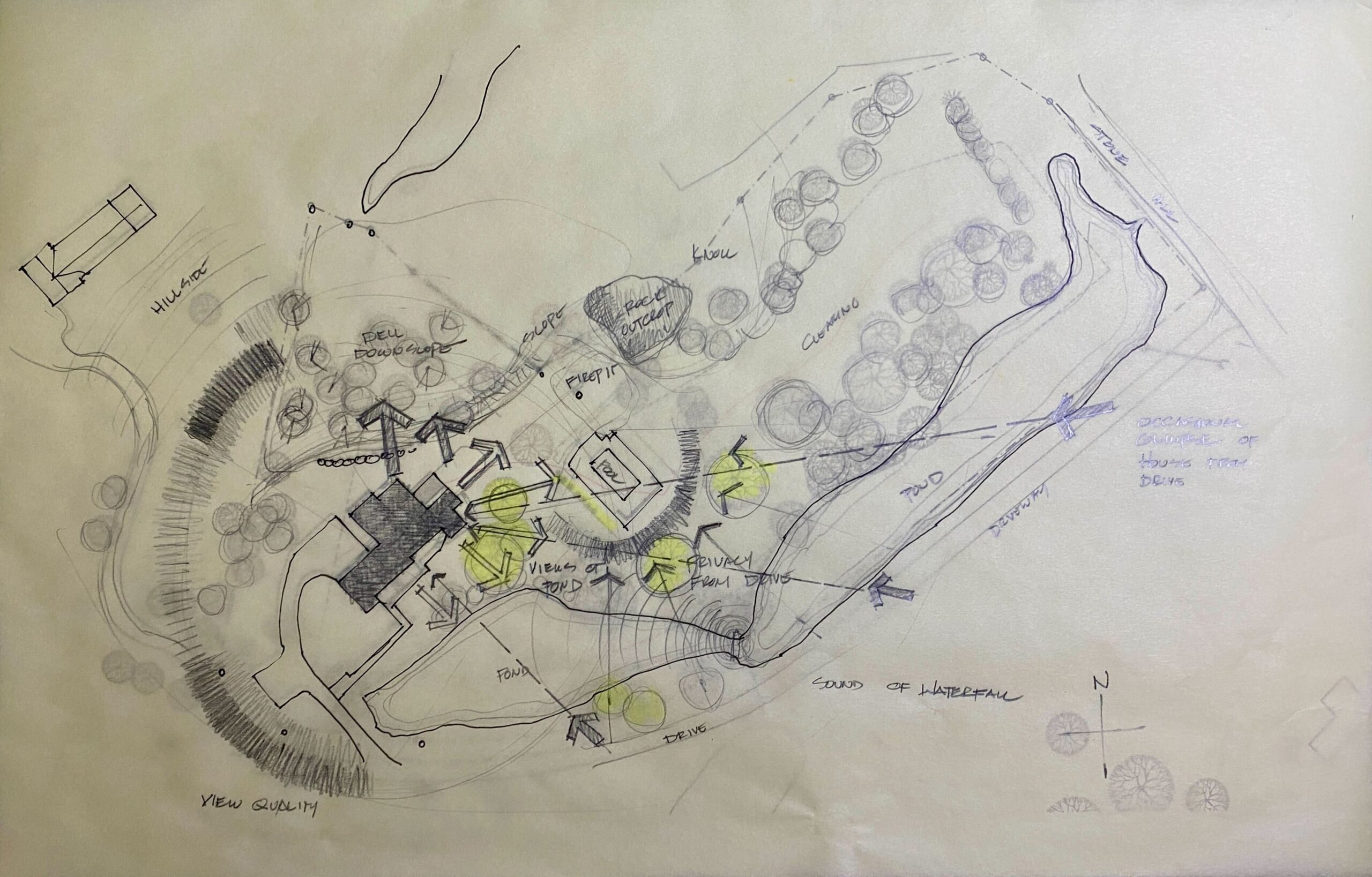
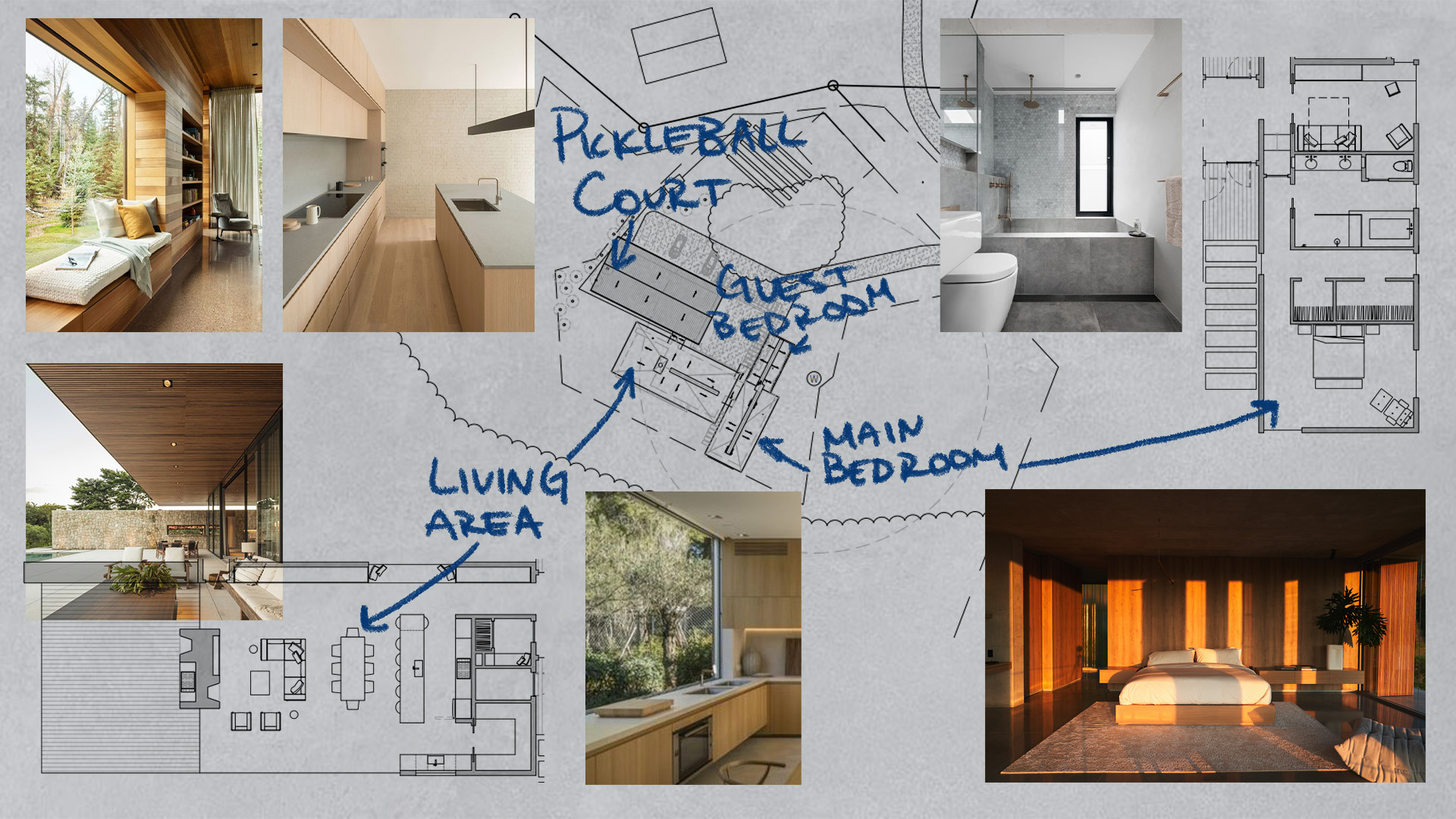
We structure schematic design around three meetings. In the first, we typically present three distinct schemes — genuinely different approaches to the design problem, not variations on a theme. We pair each scheme with inspiration images, because we know floor plans aren’t always the easiest way to imagine a home you haven’t lived in yet. The point of that first meeting isn’t for you to pick a winner. It’s to discover things: what you respond to, what doesn’t feel right, and often things that surprise us both. We learn as much about how you want to live from those conversations as we did from your questionnaire.
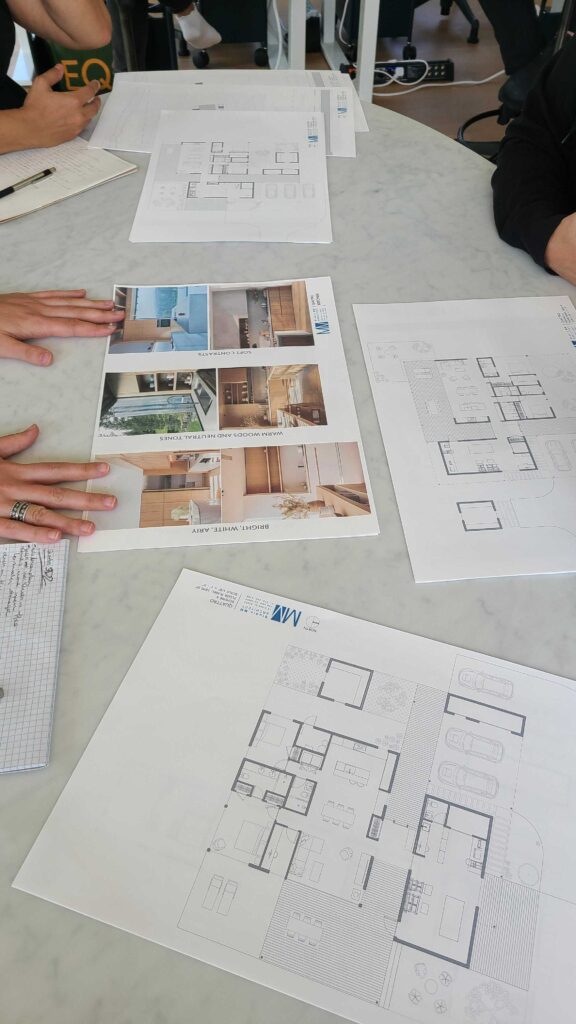
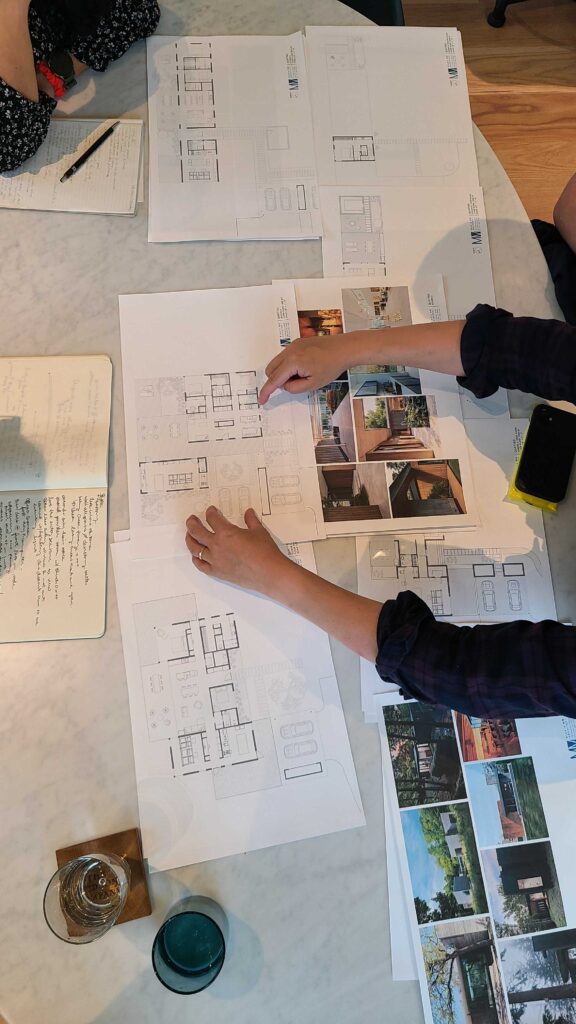
By the second meeting, we’ve taken what we heard and narrowed the work down, combining and refining the directions that resonated. And by the third, we’re working toward approval — a plan that you know, and we know, is the right one.
What we find is that by the time we get there, the anxiety that’s natural at the start of schematic design has largely lifted. This isn’t because we’ve told clients everything will be fine, but because we’ve worked through it together. The hard conversations about budget and scope happened upfront. The design conversations happened openly. There’s nothing hidden in the process, and nothing that requires a leap of faith.
That transparency — holding the budget and the design and the scope all at once, making sure they stay in balance — is genuinely where we think the work of an architect matters most.
For a deeper look at how our schematic design process works, check out Illustrating Our Process: Schematic Design. And for a project walkthrough of SD in action, What to Expect from Your Architect: Schematic Design takes you through the full phase with a real project.
This post is part of our ongoing Ask an Architect series. If you’ve found it helpful, here’s everything we’ve covered so far:
- Introducing: Ask an Architect
- What is the Perfect Property for My New Home?
- What Exterior Materials Should I Consider for My Home?
- Why Should I Work With an Architect?
Have a question you’d like us to tackle in a future post? We’d love to hear from you.