When clients first reach out to us, they often aren’t quite ready to talk about floor plans or finishes. Instead, they often have found a piece of land they are considering purchasing and want to get our opinion on the property before moving forward. We often hear things like, “We love the privacy and the views, but we’re not sure if it’s actually buildable—or if we’re getting in over our heads.”
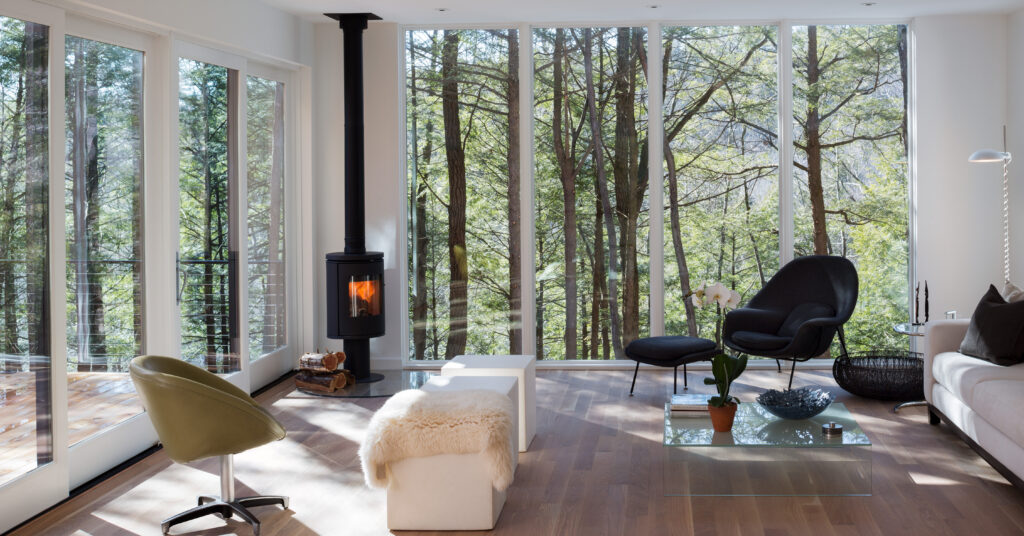
Reaching out to an architect before purchasing property is one of the smartest calls a prospective client can make. The land you choose doesn’t just determine where your house will sit. It shapes everything about how your home will function, the cost to build, and how you’ll experience living there. A beautiful piece of property can come with hidden challenges, while a seemingly difficult site might offer opportunities a flat, accessible lot never could.
So how do you know if a piece of land is right for building? And once you’ve purchased it, how do you make the most of what you have? Today, we’ll be walking through a few of the key considerations.
Evaluating Land: What Should I Look For Before I Buy?
When we look at a prospective property, we think about a site analysis checklist. This is a mental framework that we use to quickly assess whether a piece of land will work for our clients’ goals and budget.
How Can You Access the Property?
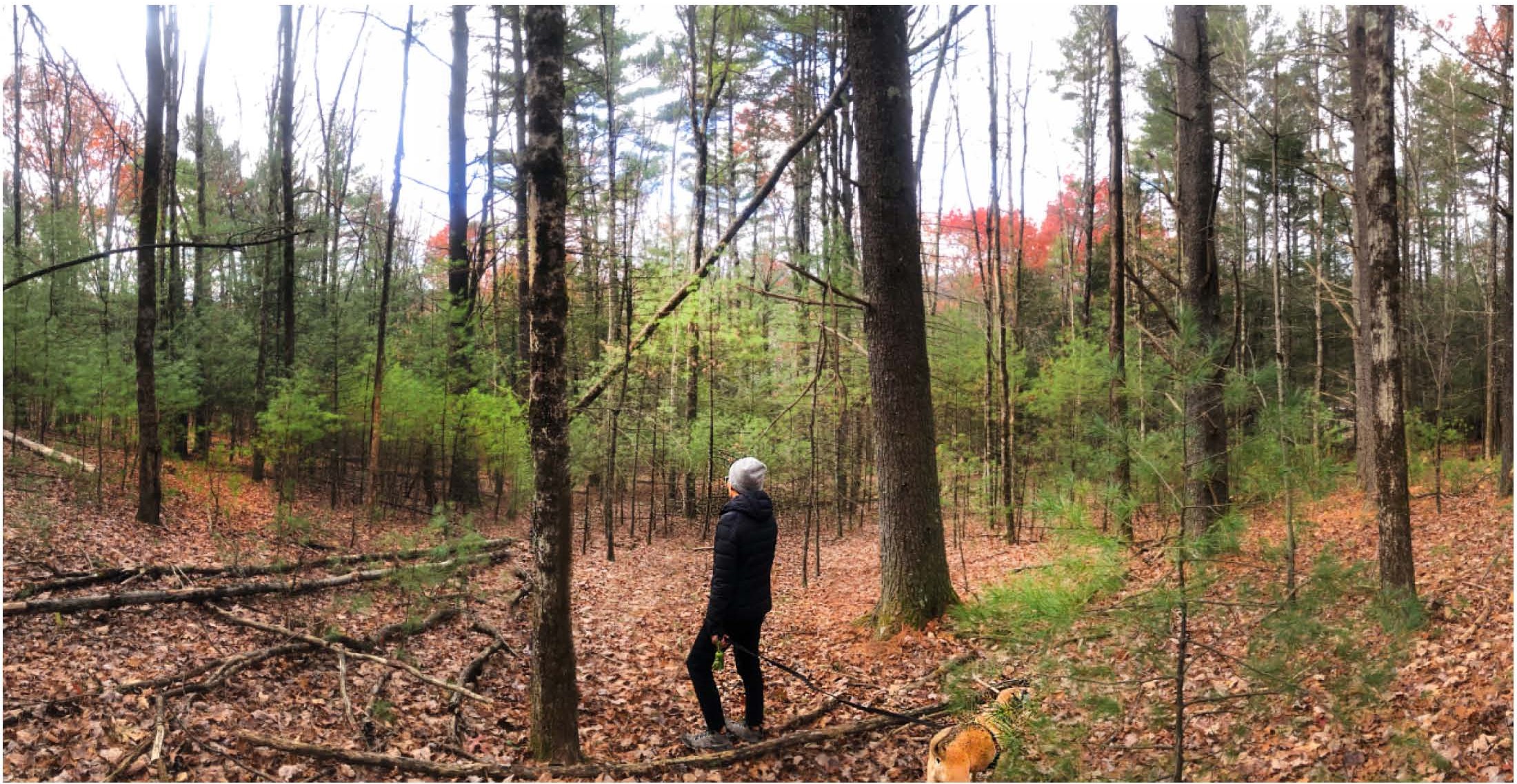
First, we look at road access—is there an existing driveway, or will you need to build one? If you’re creating a new drive, how long will it be, and what kind of terrain will it cross? A spectacular view from a mountain-top site is possible, but it comes with a significantly larger upfront cost for the driveway and utility access. A half-mile long driveway through woods and up a steep grade can add significant costs to your project before you’ve even broken ground on the house itself. However, we’ve had projects where the views or the privacy are absolutely worth the higher upfront costs. As with all parts of the home building process, it comes down to your priorities.
We usually recommend that clients run power underground, which requires additional excavation. Typically, this is run alongside the driveway, so the longer the driveway or the more remote the site, the more costs will add up in both excavation and equipment. Additional transformers are also required when running cables further from the primary cables provided by the power company. However, putting electrical cable underground can minimize service interruptions during storms and removes unsightly power lines running to the home.
What Do I Need to Know About Septic Systems?
There is also the question of utilities. Is public water and sewer available, or will you need a well and septic system? Most of the properties that we design for in the Hudson Valley will require a well and septic system. It is worth asking if a percolation test (perc test) has been done to determine if the soil can absorb wastewater at an adequate rate, as some properties simply won’t perc. This can be a deal-breaker unless you’re willing to invest in engineered solutions. Luckily, we’ve typically found good solutions for the majority of sites we’ve encountered in the area.
Septic systems also have setback requirements from wells, property lines, buildings, and surface water. On smaller lots, these setbacks can be the limiting factor in where you can build, so it’s worth keeping in mind on a tighter lot that will require a septic system. The system will also need to be accessible for maintenance and eventual replacement. You cannot build a deck or plant trees within your septic field.
If your property already has Board of Health approval, you should confirm how many bedrooms the septic system has been designed for. If you are planning on a larger home, you may need to resubmit for a larger septic system. When the system is already in place, that’s can be a great start. However, you should assume some costs for testing or repairing the system. Not all septic systems are properly installed or maintained if a site hasn’t been further developed.
What About Wells?
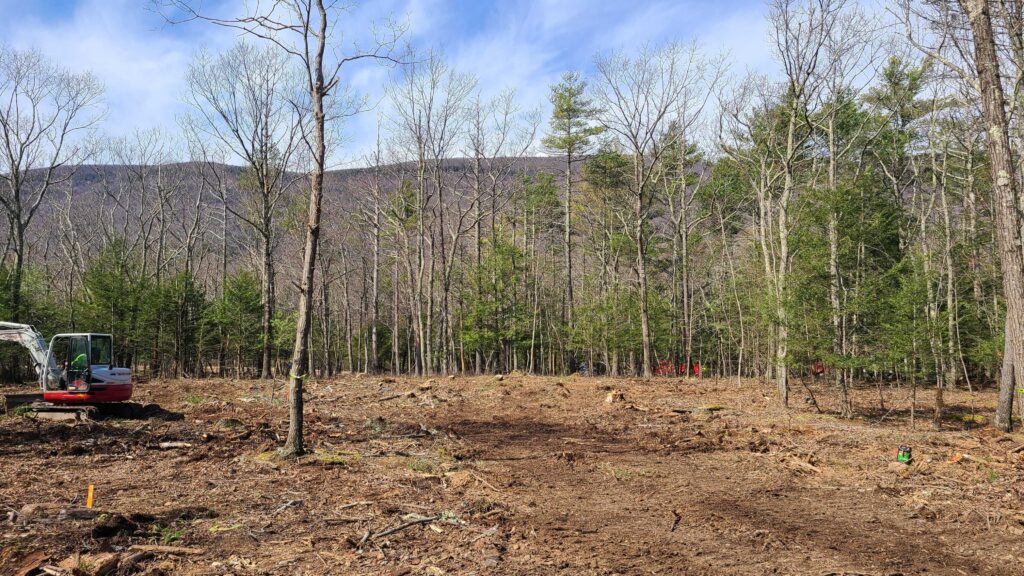
In terms of wells, the deeper the well, the more expensive the installation will be. There is unfortunately no good way to know how deep you will need to drill, as even sites that are adjacent to one another may have significantly different well depths. In our area, we’ve seen wells that can range from 200 feet to 800 feet or more. Deeper wells cost more to drill and might require more robust pumping systems. Before you purchase land, it’s worth checking with neighbors or local well drillers about typical well depths and water quality in the area to give you an approximate sense of what to expect.
Topography and Drainage
When walking the land, we’re looking at slopes, high points, low points, and how water moves across the site. Flat land is easy to build on but might not offer the views that first drew you to the property. Sloped land can be dramatic and beautiful, but it will often require more expensive foundation work.
We also look for wet areas, seasonal streams, or signs of poor drainage. Building in a flood zone or on land that doesn’t drain well creates long-term problems that are difficult and costly to fix. When looking at a parcel near wetlands, we always consult the county’s online GIS parcel viewer. This delineates any wetland setbacks or designated flood zones.
Soils and Ledge
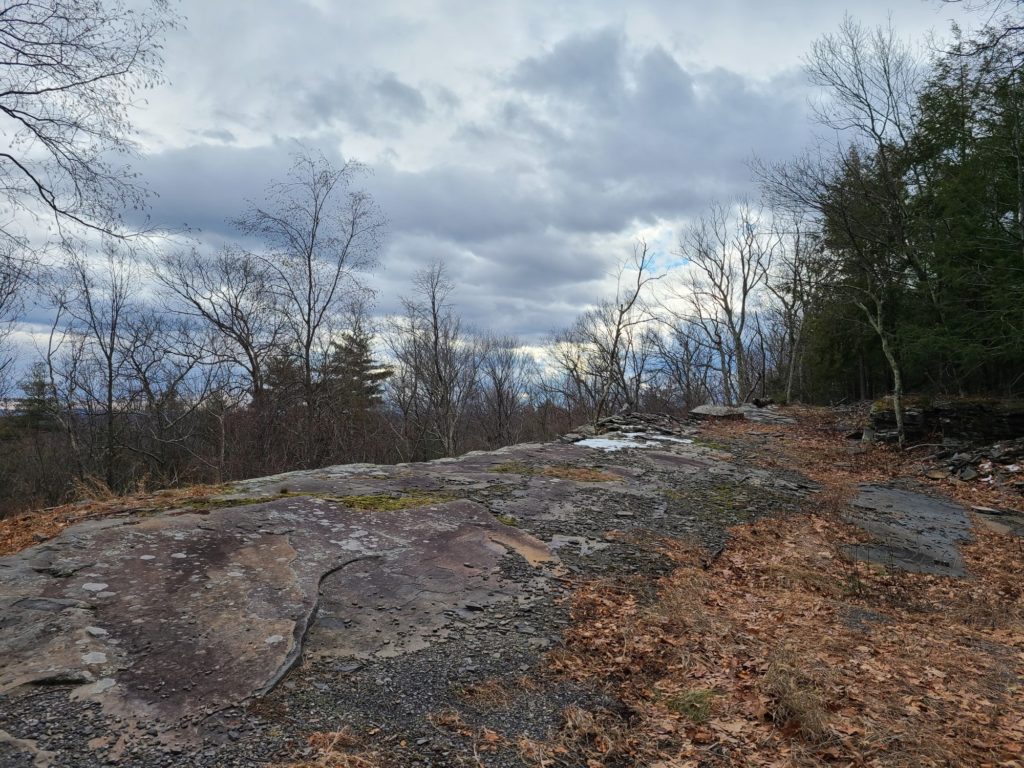
Many of the properties that we design for are located in rocky areas. The natural ledge can make excavation more expensive, especially if we encounter rock that needs rock hammering. We’ve rarely needed to use blasting, which can be exponentially more expensive. On rocky sites, we are occasionally able to pin the home’s foundation to the rock. This creates an even more stable base for the structure and can reduce the depth of the foundation. Sometimes, the rocky surroundings can become a design feature rather than just an obstacle. Natural rock outcroppings can be beautiful when integrated thoughtfully into the design.
Setbacks, Easements, and Regulations
Before you fall in love with a building site, make sure to check the local zoning requirements. Required setbacks from property lines, roads, wetlands, and streams can significantly limit where you can build. Some towns have height restrictions, design review boards, or other regulations that will affect what you can do. We have experience navigating these conditions are happy to help you, but strict regulations on designs or materials can add time to the design process.
If there are easements on the property—for utility access, shared driveways, or other purposes—understand exactly what they allow and restrict. If purchasing property with covenants, understand what restrictions you and your neighbors are agreeing to.
What’s Next Door (and What Could Be)
One of the most important—and often overlooked—aspects of site selection is understanding not just what surrounds your property now, but what could surround it in the future. Those beautiful woods behind your lot might be protected forest land, or they might be the next 50-unit subdivision.
Check the zoning of adjacent parcels. If neighboring land is zoned for higher-density residential or commercial development, you need to factor that into your decision. Town planning departments can usually tell you if there are any pending applications or approved plans for nearby properties.
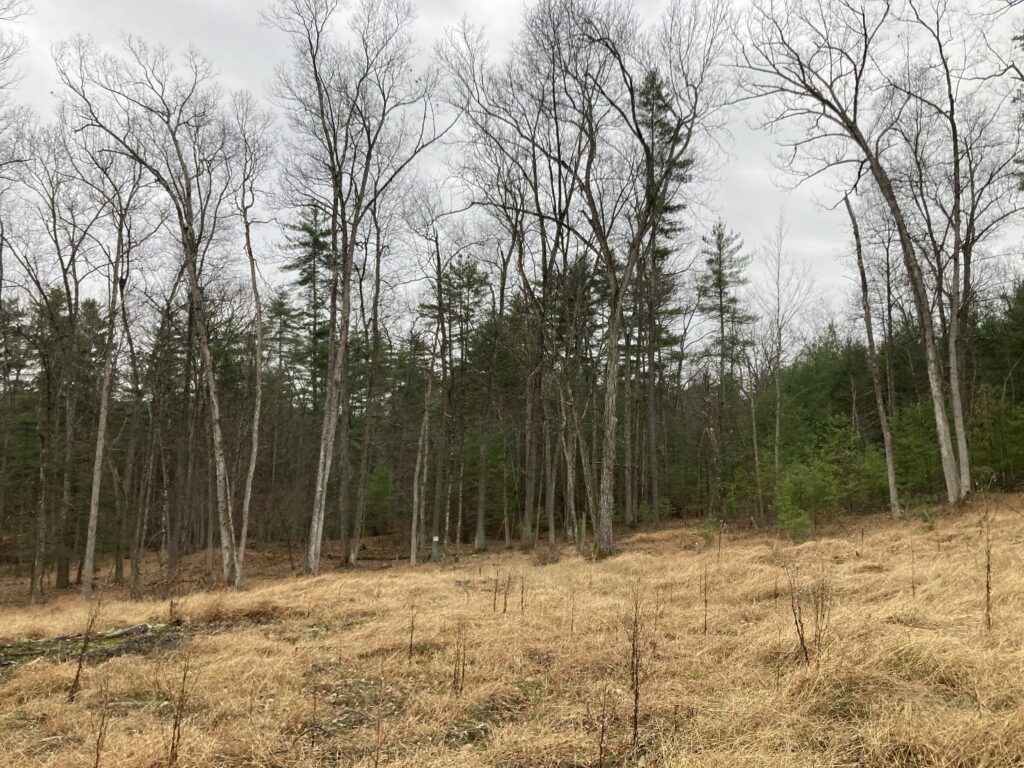
Look at parcel sizes and ownership. Large undivided parcels owned by developers or investment groups are more likely to be subdivided than land owned by long-term residents or conservation organizations. Some areas have active land trusts or conservation easements that permanently protect open space—these can be wonderful neighbors.
Also take the time to understand the area and your potential neighbors. We’ve had clients pass on a property because the neighbors keep large equipment onsite or operate a landscaping business from of their property.
The Soundscape
A site might look perfect during a quiet Sunday afternoon visit, but sound completely different on a Monday morning. Before you commit to a property, visit at different times of day and different days of the week. Is the site near a truck route? Even if the road seems quiet during your initial visit, weekday morning traffic might tell a different story. Highway noise can carry surprising distances, especially across open terrain or water.
Consider seasonal changes too. That peaceful rural road might become the main route to a popular swimming hole in summer, or a snowmobile trail in winter. Nearby farms might have seasonal activities that create noise at specific times of year. Airport flight paths, train lines, and even church bells can affect the soundscape in ways that aren’t immediately obvious. Some of these sounds might not bother you at all, but it’s better to know about them before you buy than to discover them after you’ve built your dream home.
What Are The Pros and Cons of Building on a Slope?
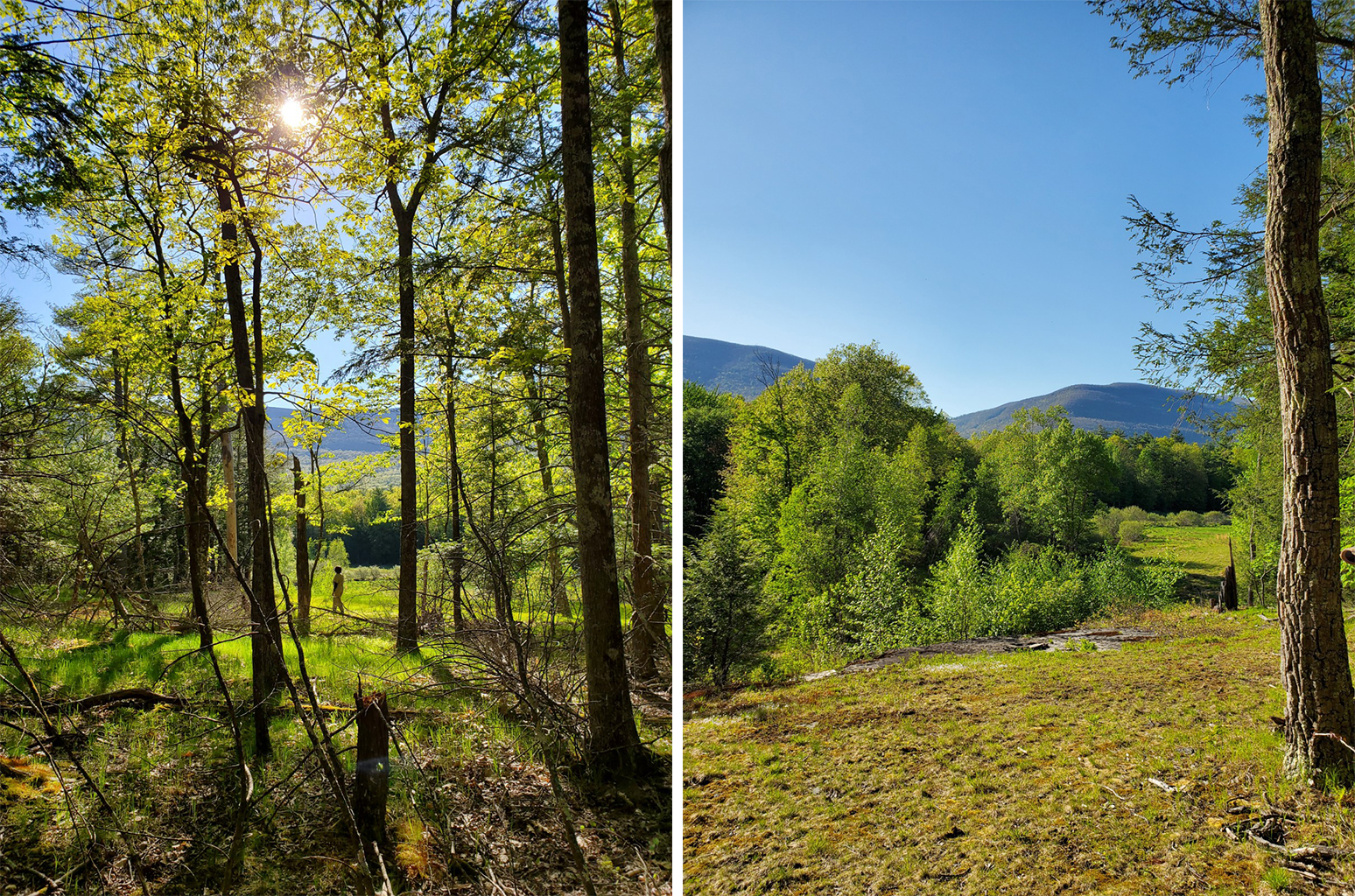
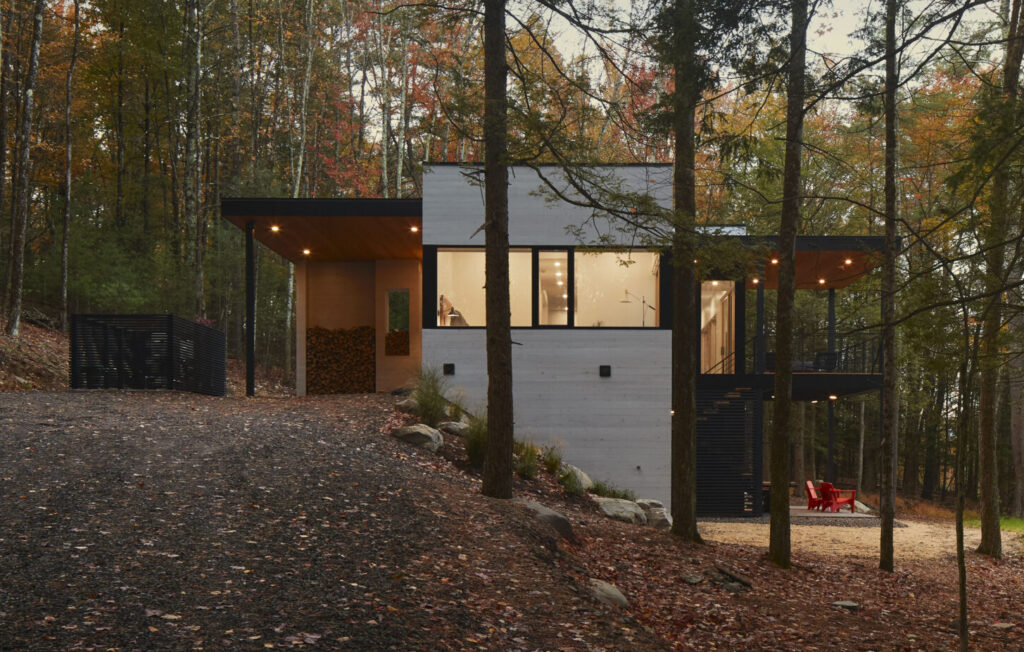
The property that The Nest clients were considering had a significant slope. This is actually one of the aspects that made the property special, but it also required careful consideration during design. So what do our clients consider when purchasing a sloped property?
The Advantages
Sloped sites often offer better views. By building into the hillside or perching the house on an upper portion of the site, you can capture vistas that would be impossible on flat land. Natural drainage is also usually better on slopes—water moves away from the house rather than pooling around the foundation. However, additional consideration is needed when draining around the high slope side of a home.
Sloped sites also create opportunities for interesting architectural solutions. Walk-out basements, split-level designs, and homes that step down a hillside can feel more connected to the landscape and offer unique spatial experiences.
The Challenges
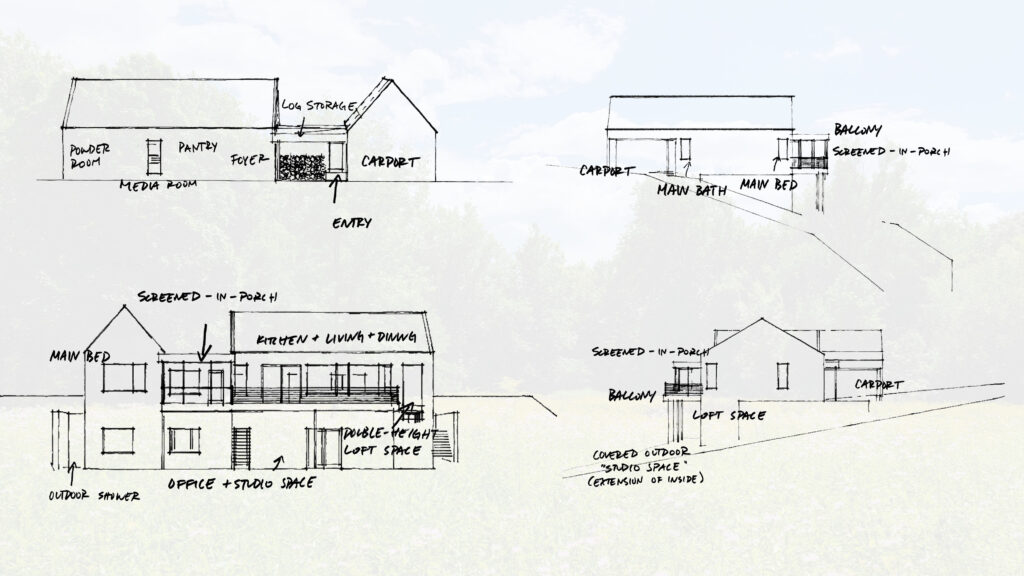
The foundation work is typically more complex and expensive. You might need taller and thicker foundation walls, more extensive excavation, or additional retaining walls to create level areas. Access for construction equipment can be more difficult, and moving materials around the site takes more time. Driveways on sloped sites need to be carefully graded—too steep and they become dangerous in winter weather. This might mean a longer, switchback drive that adds to the cost. You’ll also need to think more carefully about outdoor spaces. Creating a level lawn or patio area might require retaining walls and significant grading.
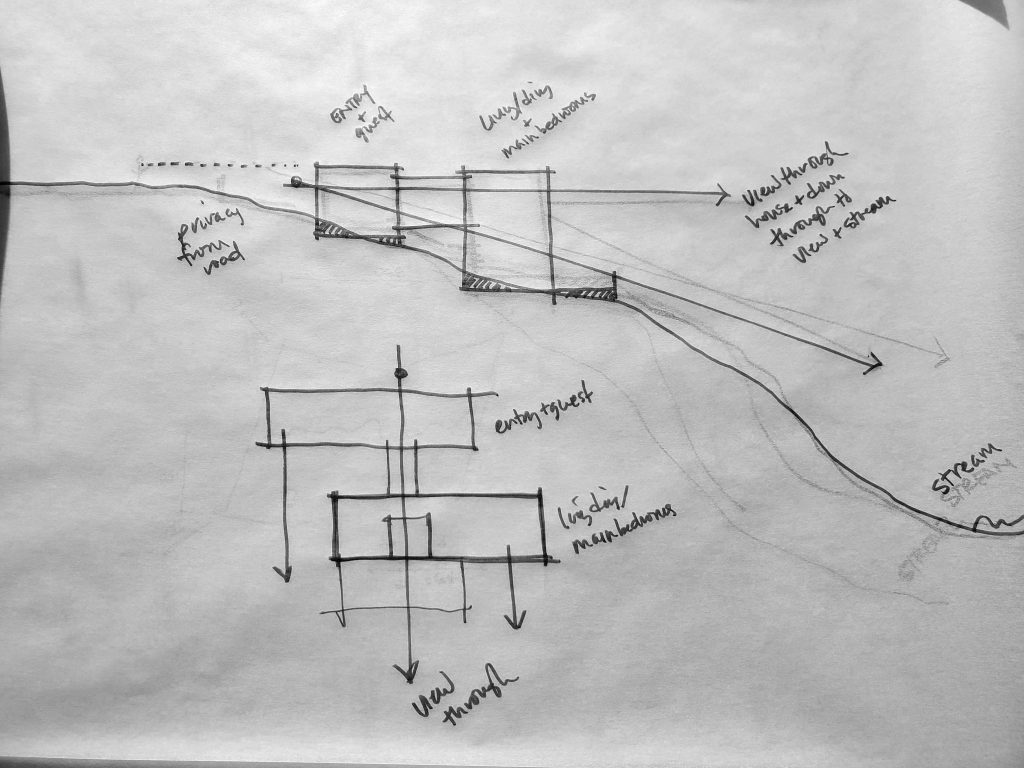
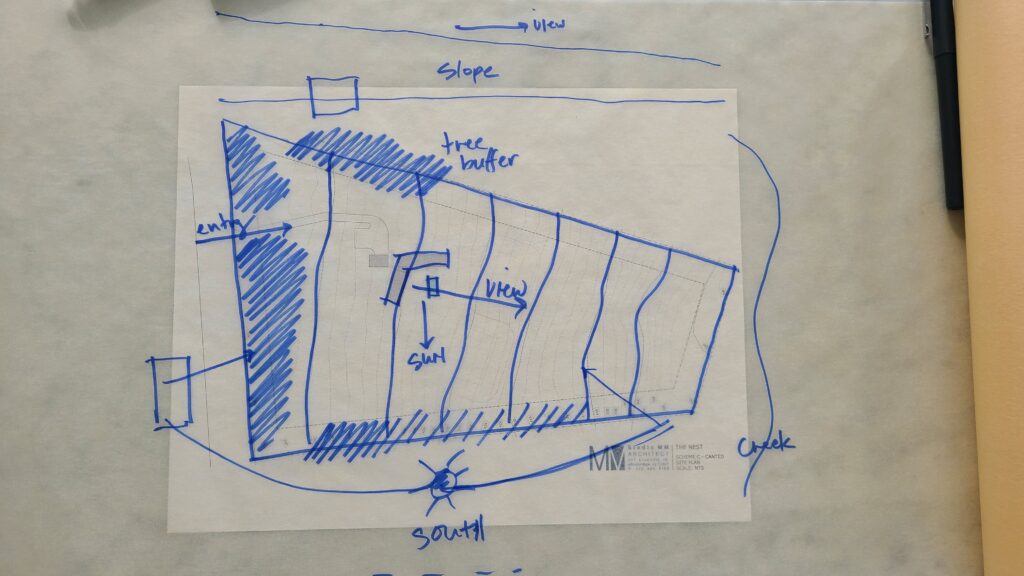
For our The Nest clients, we determined that the benefits outweighed the challenges. The slope gave us the opportunity to design a home that steps along the site and includes a walk-out lower level that opens towards a flat pool area, while the main floor captures long-range views.
Site Placement: Where Should the House Go?
Once you know your land can support a house, the next question is: where exactly should it go? This is one of the most consequential decisions in the entire design process, and it’s one we spend significant time on before we ever draw a floor plan. We encourage you to involve your architect in this decision. We love clients that have ideas of where they want the home to go, but it’s great to keep an open mind on the final placement, as there are so many different elements to consider when determining the ideal location.
Sun and Climate
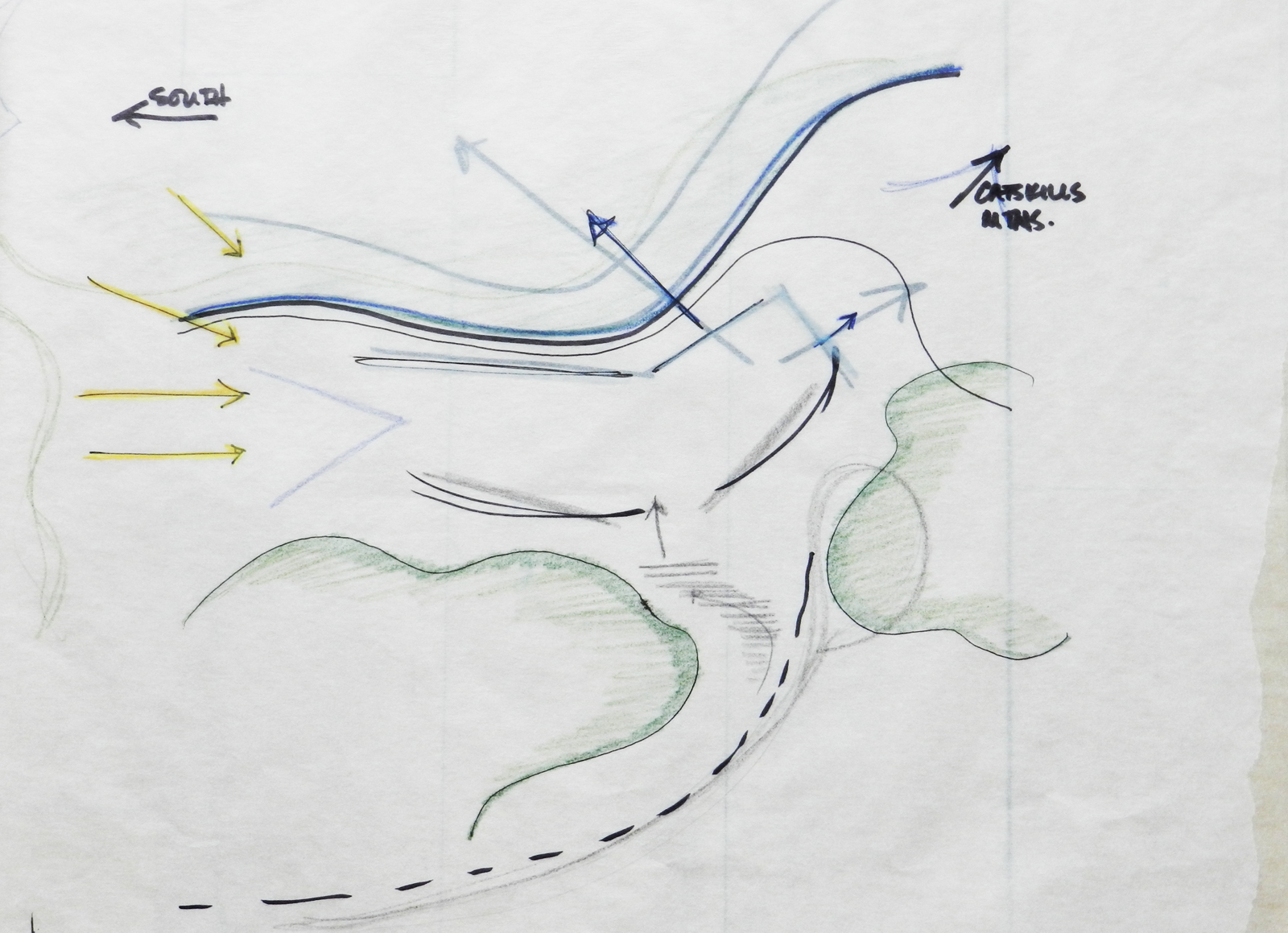
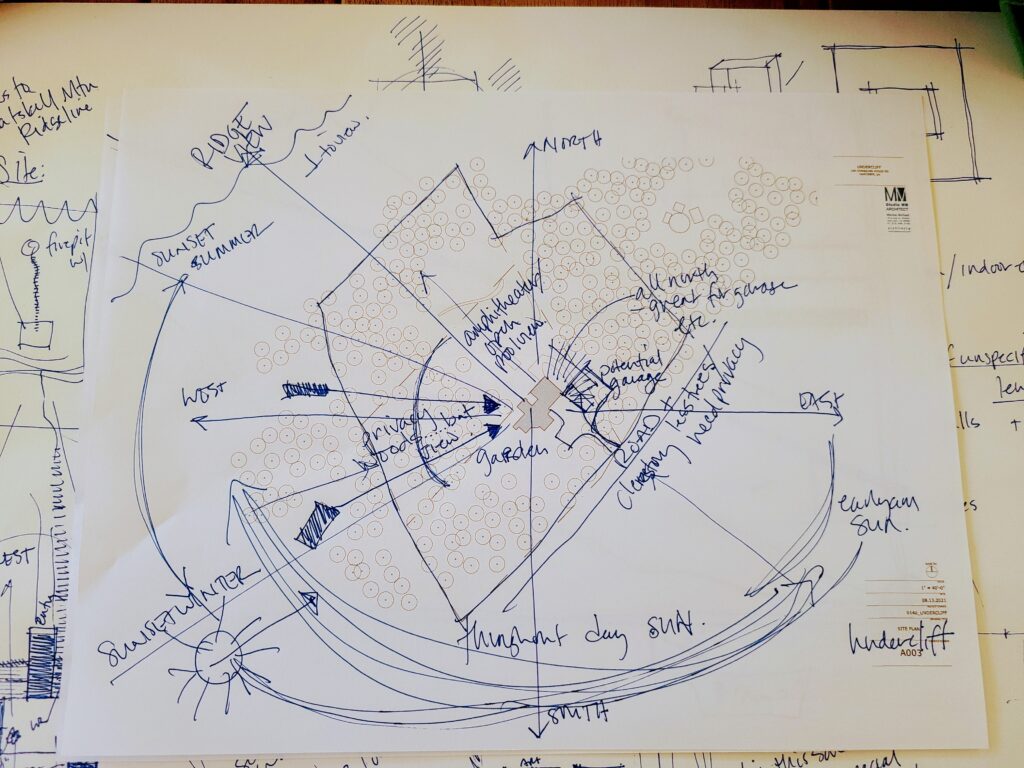
In our region, we think carefully about solar orientation. Southern exposure is valuable for passive solar gain in winter and for daylighting throughout the year. We’ll often orient the primary living spaces and larger windows toward the south when possible. It is also critical to consider the summer sun, which can lead to overheating. We calibrate overhangs with sun diagrams to confirm how large of an overhang is needed to minimize the hot summer sun. Northern exposures provide beautiful, even light but little solar heat gain, often ideal for art studios.
Views and Privacy
What do you want to look at, and what do you want to screen out? A critical part of the final home site is the view. We typically map the views from different potential building locations, while considering what the views might be at different times of year. What you see in summer with full foliage can be very different from winter views.
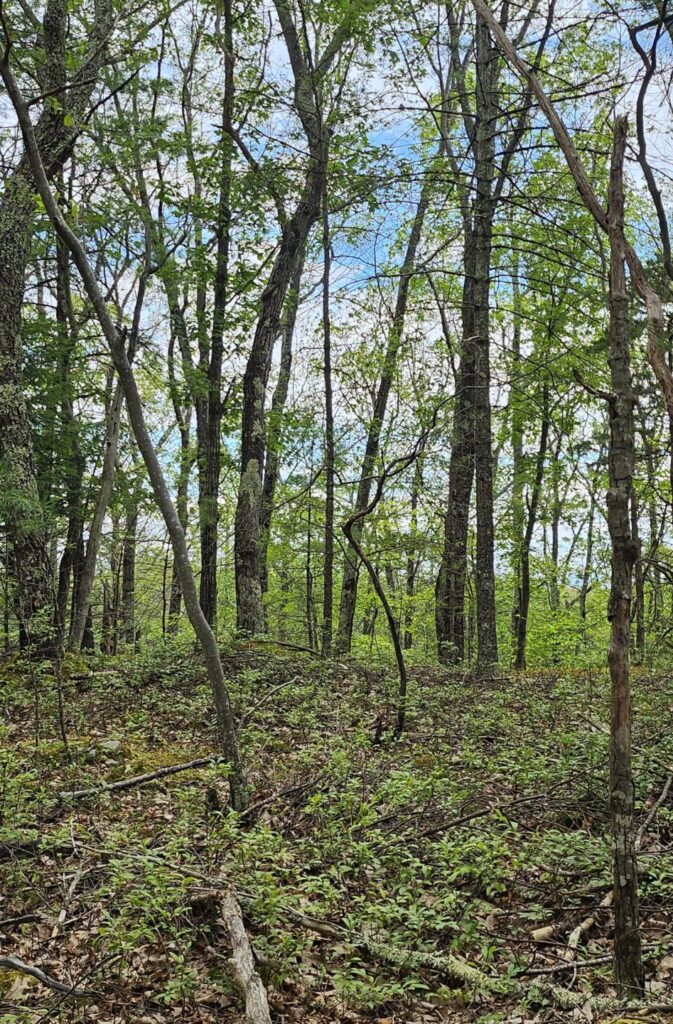
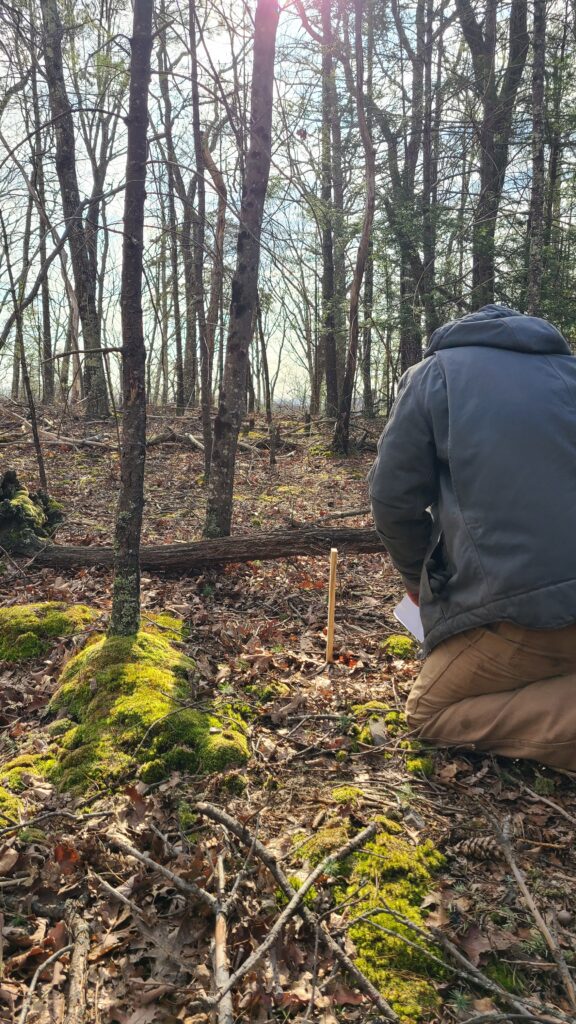
Privacy works both ways: what can you see from the house, and what can others see of you? We think about sight lines from roads, neighboring properties, and even future development that might occur.
Topography and Access
We look for building sites that work with the natural topography rather than requiring massive cuts and fills. Sometimes the “obvious” flat spot isn’t actually the best choice if getting to it means extensive earthwork or a challenging driveway. The relationship between the garage/driveway and the main living spaces matters too. We typically want convenient access, but don’t want to be looking at cars from the living room or have the garage dominate the approach to the house.
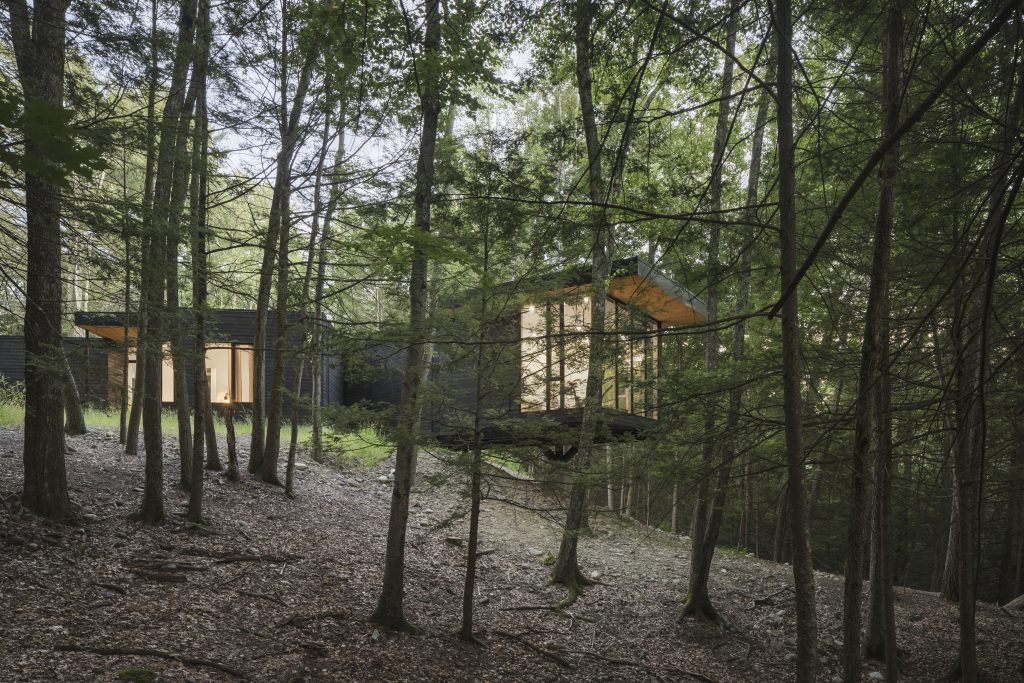
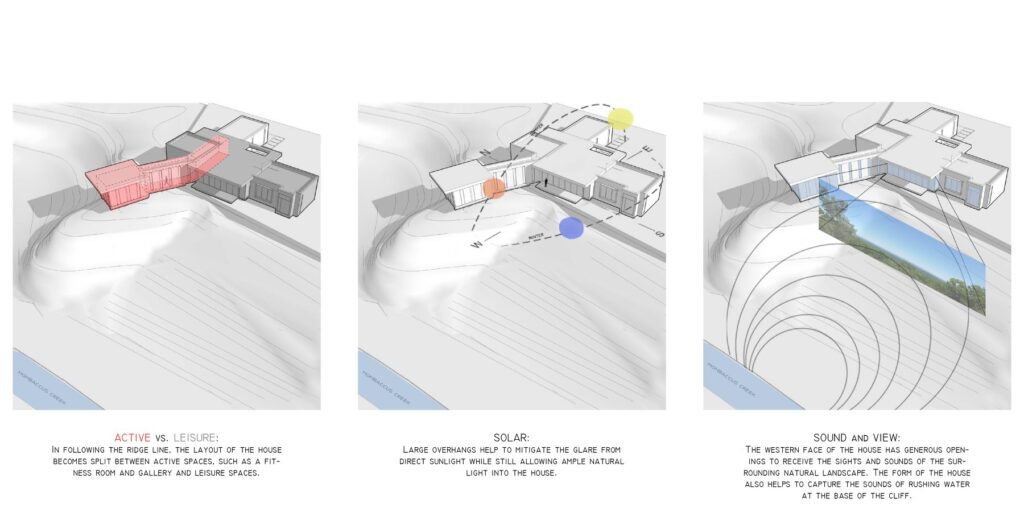
If there is a dominant site feature to consider, we’ll often propose a design that engages the feature. For example, IRIE House runs along the length of a dramatic cliff, stretching out along the ridgeline. At Cat Hill, the studio space stretches out along a “finger” – a peninsula that extends from the site’s ridgeline.
Outdoor Living
Where will you spend time outside? We think about morning sun for a breakfast terrace, afternoon shade for a patio, and connections between indoor and outdoor spaces. These relationships often influence how we orient and place the house.
Designing for Extreme Weather
Every site has its own microclimate and exposure to weather events. Understanding these patterns and designing accordingly can make the difference between a home that’s merely adequate and one that’s resilient and comfortable.
Snow Loads
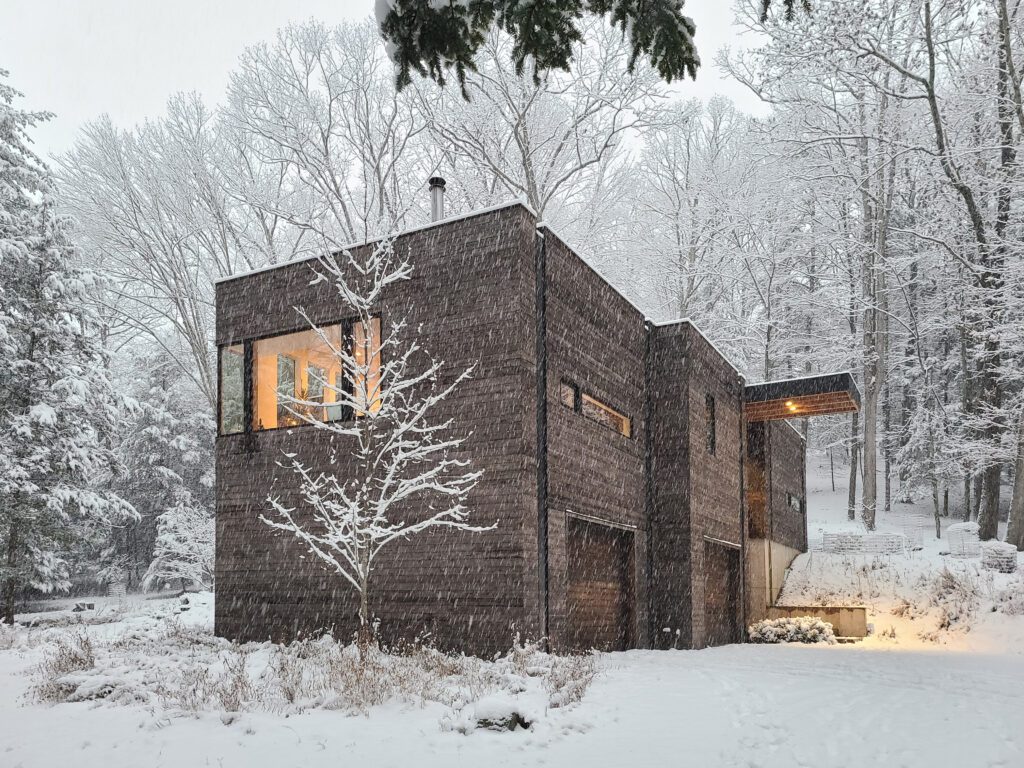
As evidenced by our latest winter, we can get a lot of snow in the Hudson Valley! Snow load calculations partially determine how your roof structure needs to be engineered. Beyond the structural requirements, we also think about how snow will move off the roof and any exposed deck spaces. For flat roofs, this is more about melting snow and appropriate drainage. For homes with sloped roofs, we consider where snow will slide to, and whether it will block doors or create other hazards. We’ll often design entry canopies or overhangs to keep doors clear, even if the overhangs don’t extend to other windows.
Wind
Exposed hilltop sites can experience significantly higher wind speeds than protected valleys. We consider wind direction and exposure when orienting the house and selecting materials. Wind exposure plays a big role in how our windows are supported. With large glass facades, we need to work closely with our window manufacturers to confirm that the windows will meet the required wind rating for a particular site.
Wind also affects more than just structural loads. It impacts how you’ll use outdoor spaces, where you’ll want protected areas, and how you’ll landscape. Understanding prevailing wind patterns helps us create outdoor rooms that are comfortable and functional, and allows us to understand how the site will best serve passive cooling and cross-ventilation of the future home.
Water and Ice
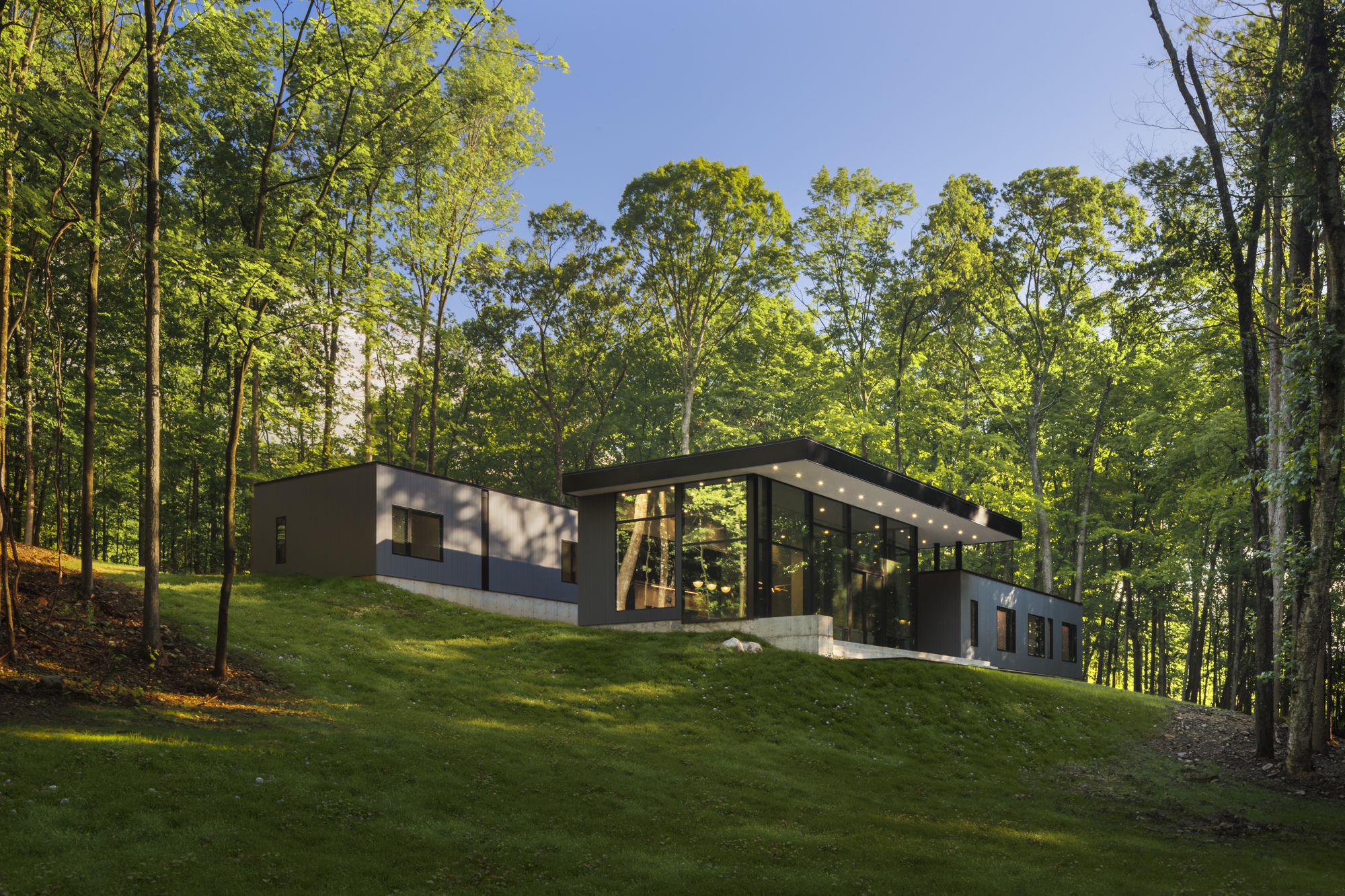
Heavy rain events are becoming more common in many areas, so we design roof drainage systems to handle high volumes of water and direct it away from the foundation. Ice damming is a concern in cold climates—proper insulation, air sealing, and ventilation in the roof assembly prevent the heat loss that causes dams to form. Our signature gutter detail creates a waterfall effect along a metal gutter, with a drainage catch at the base of gutter which will direct water away from the home via an underground drain system.
How Should I Prioritize?
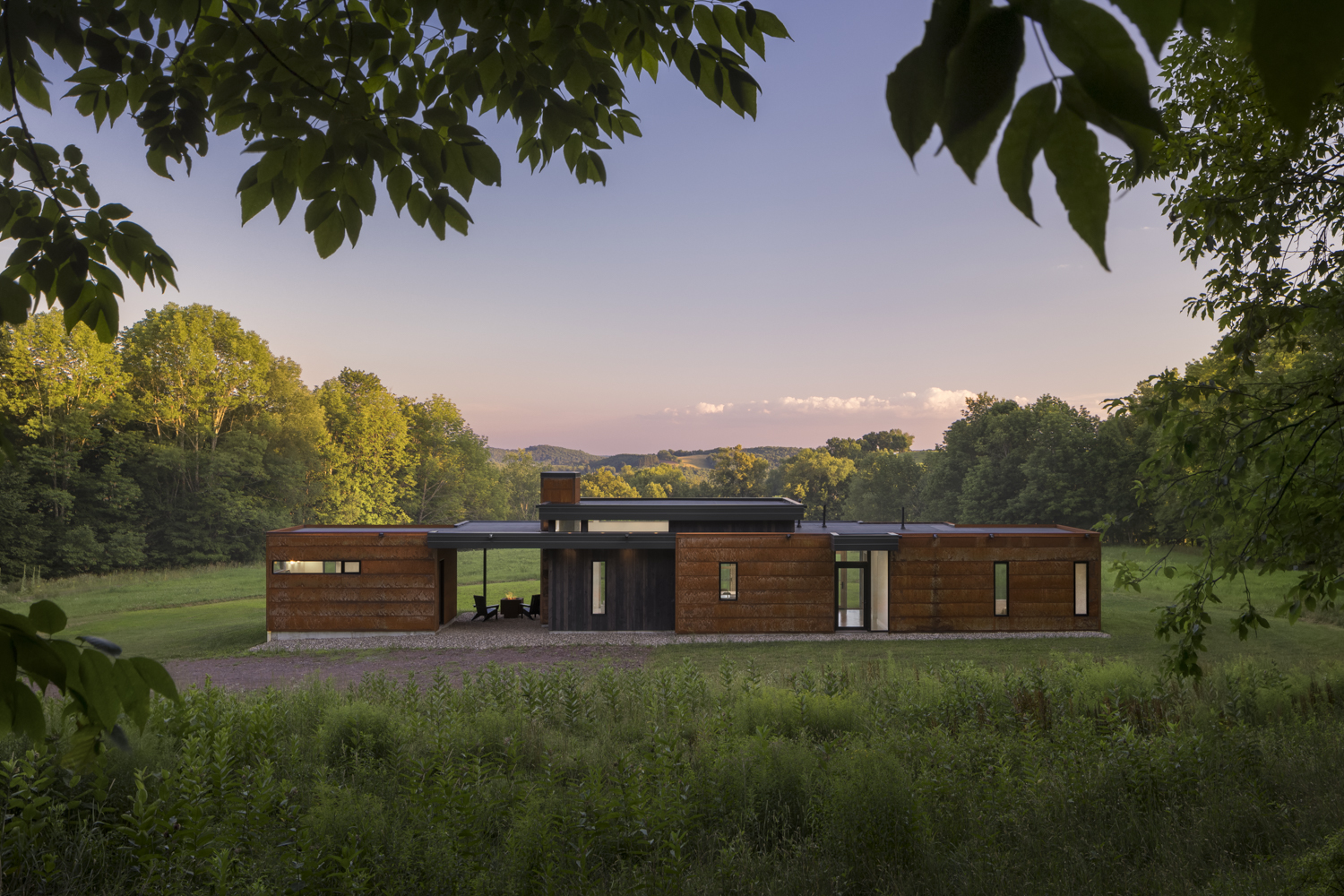
When our The Nest clients asked us whether their property was right for building, the honest answer was: yes, but with clear eyes about what it would take. The slope and orientation of the property weren’t deal-breakers, but both required thoughtful design responses and realistic budgeting.
What made the property worth the extra effort was how well it aligned with their vision for how they wanted to live. The site has a great sense of privacy, and the meadow and forest views were central to why they wanted to build a custom home in the first place.
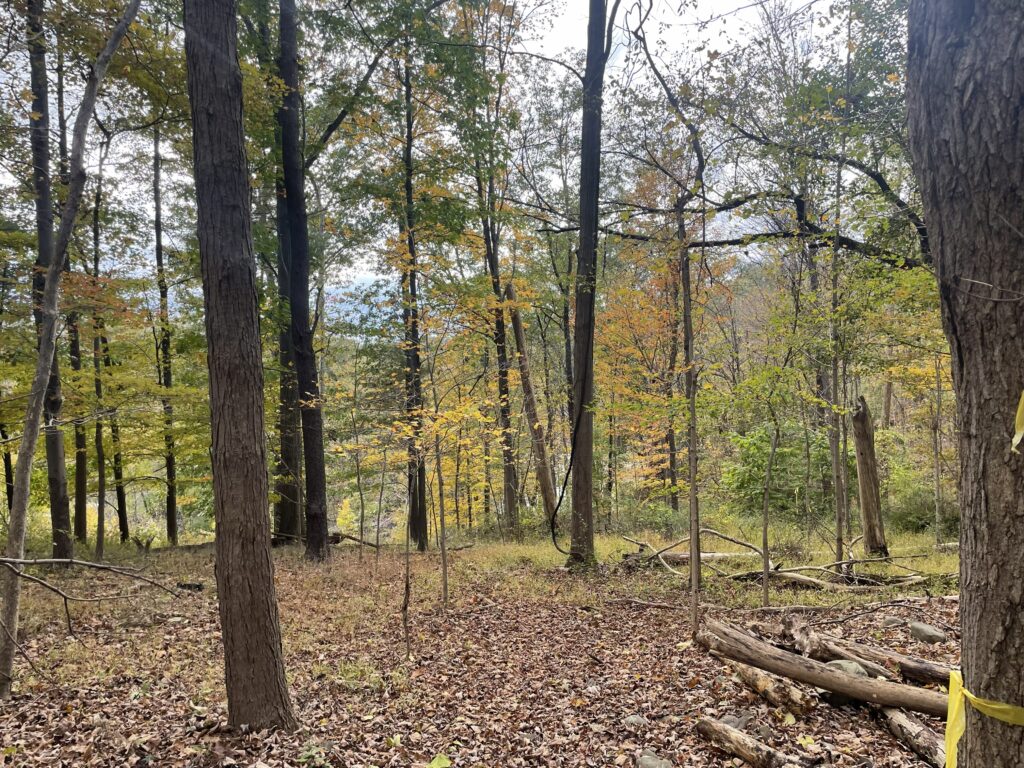
That’s the real question when you’re evaluating land: not whether it’s easy to build on, but whether it supports the kind of home and lifestyle you’re trying to create. Sometimes the “easy” site is the wrong site. Often, a site with challenges can be the right choice because those challenges lead you toward a design solution that’s more interesting, more connected to place, and more uniquely yours.
If you’re in the early stages of looking for land, bring your architect along for a site visit. We can help you see both the potential and the pitfalls, and we can give you a realistic sense of what it will take to build the home you’re imagining. That clarity at the beginning of the process is invaluable—it helps you make an informed decision and sets the stage for a design that truly responds to the land you’ve chosen.
Have questions about site selection or designing for your property? We’d love to hear from you in the comments below, or reach out to start a conversation about your project.